

Detect Active Beta Cell Loss Before Traditional Diabetes Tests Reveal the Full Story
Beta Intercept™ T2D measures circulating beta-cell-specific cell-free DNA (cfDNA) released during apoptosis, providing a direct biological indicator of pancreatic injury and beta-cell loss before conventional biomarkers fully reflect disease progression.
Traditional tests measure consequences. Beta Intercept measures biology.
Glucose-based markers report the downstream consequence of beta-cell loss. Beta Intercept™ reports the loss itself — while the pancreatic reserve that remains is still worth protecting.
From insulin resistance to beta cell failure.
Type 2 diabetes is not a sudden event. It is a progressive metabolic cascade in which beta cells compensate, exhaust, and ultimately die — long before a diagnostic threshold is crossed.
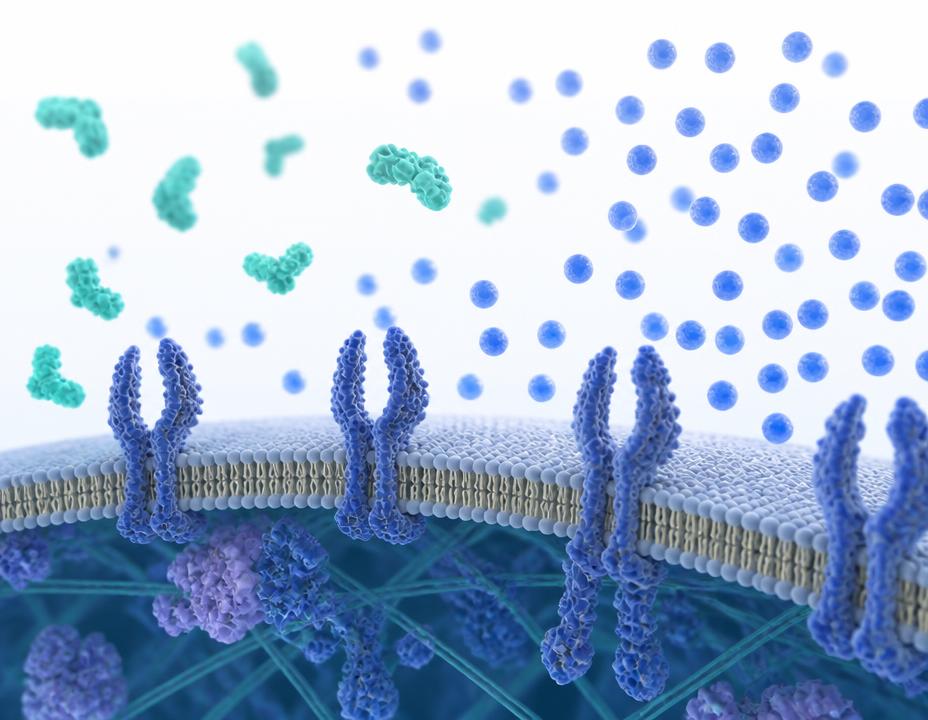
Muscle, liver, and adipose tissue respond less efficiently to insulin, raising the secretory demand placed on the pancreas.
Muscle, liver, and adipose tissue respond less efficiently to insulin, raising the secretory demand placed on the pancreas.
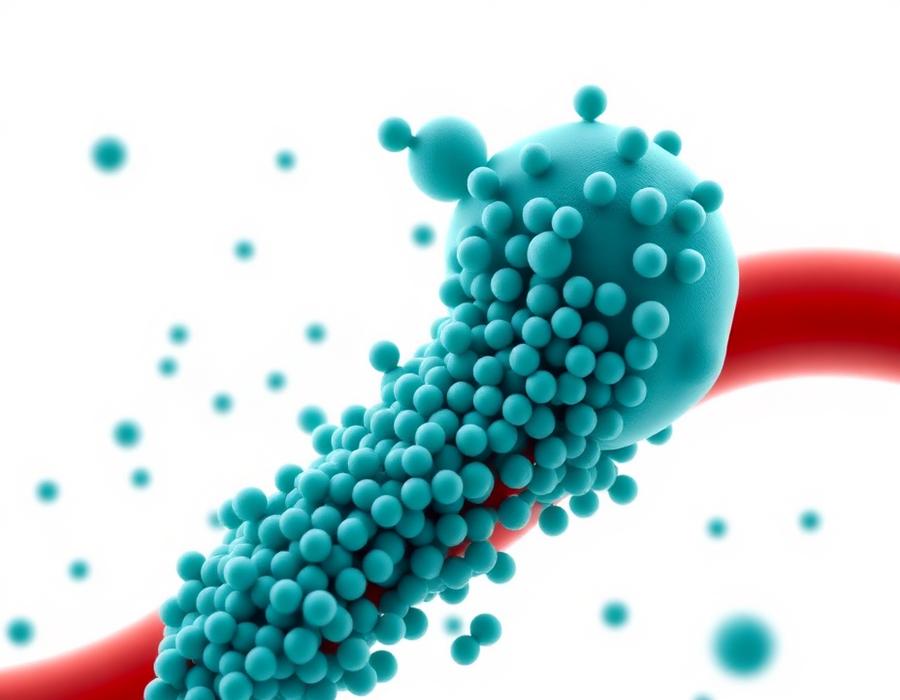
Beta cells compensate by secreting more insulin. Glucose stays near-normal while the underlying workload climbs.
Beta cells compensate by secreting more insulin. Glucose stays near-normal while the underlying workload climbs.
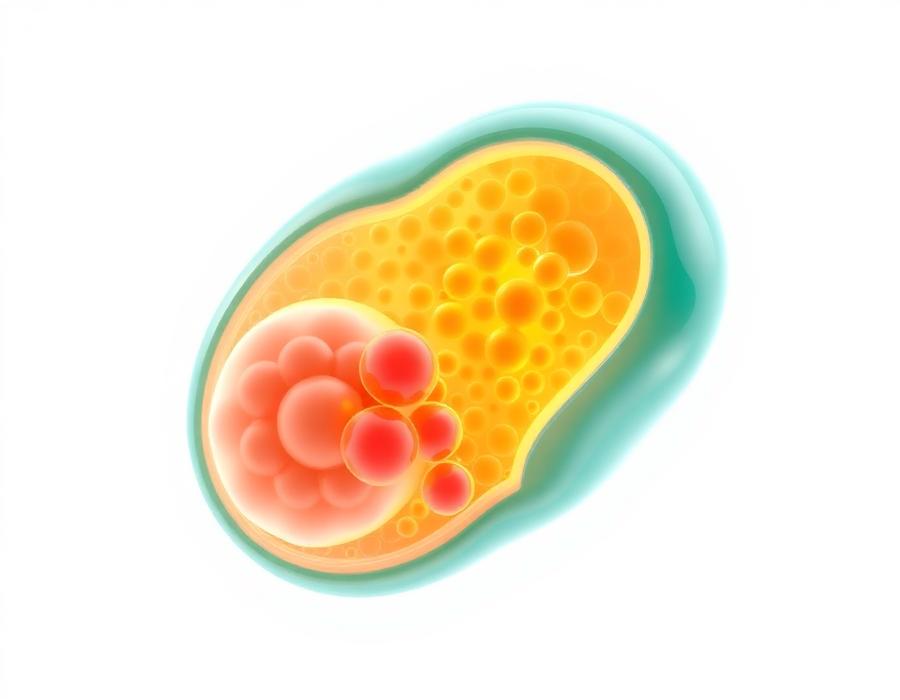
Sustained glucose and lipid load strains the beta-cell secretory machinery — endoplasmic reticulum and oxidative stress accumulate.
Sustained glucose and lipid load strains the beta-cell secretory machinery — endoplasmic reticulum and oxidative stress accumulate.
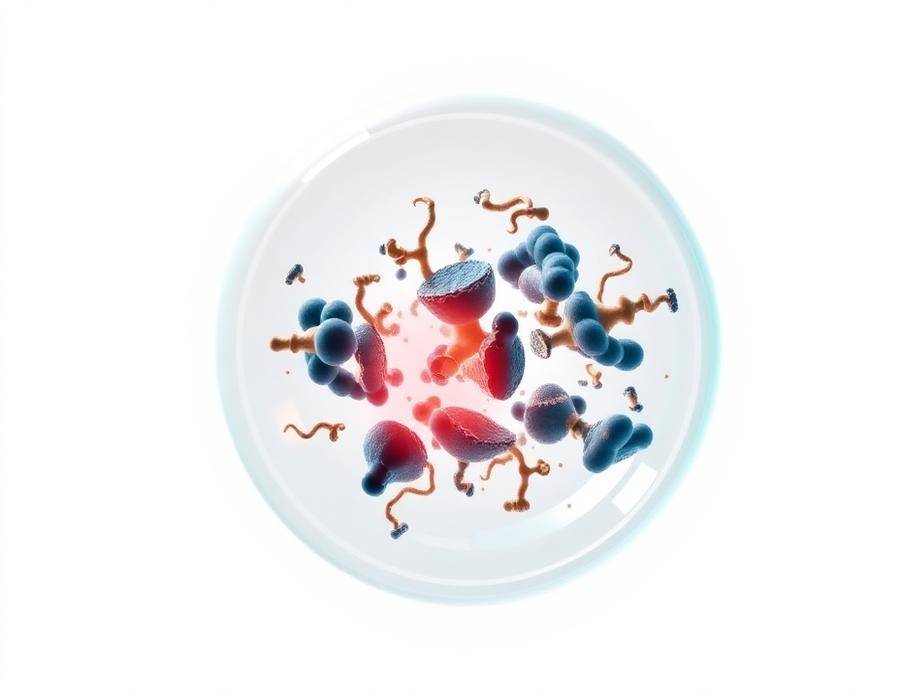
Energy production falters. Impaired glucose sensing and reduced ATP output degrade the precision of insulin release.
Energy production falters. Impaired glucose sensing and reduced ATP output degrade the precision of insulin release.
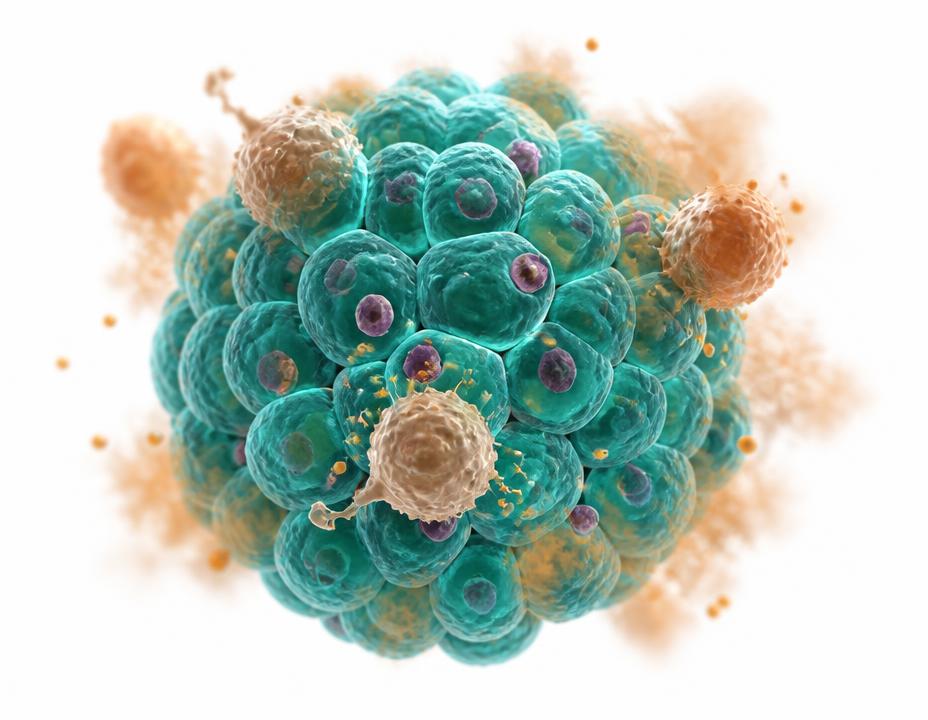
Low-grade inflammatory signaling within the islet amplifies injury and accelerates the transition toward cell death.
Low-grade inflammatory signaling within the islet amplifies injury and accelerates the transition toward cell death.

Stressed beta cells begin dying. Functional beta-cell mass declines while glucose measurements may still appear acceptable.
Stressed beta cells begin dying. Functional beta-cell mass declines while glucose measurements may still appear acceptable.
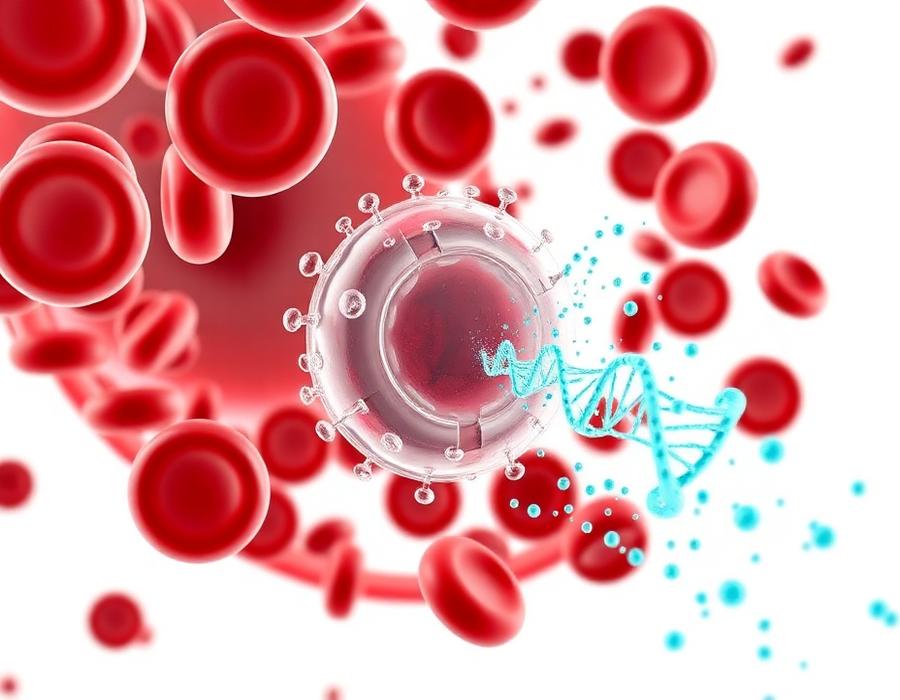
Dying beta cells shed fragments of demethylated INS cell-free DNA into circulation — the signal Beta Intercept™ quantifies.
Dying beta cells shed fragments of demethylated INS cell-free DNA into circulation — the signal Beta Intercept™ quantifies.
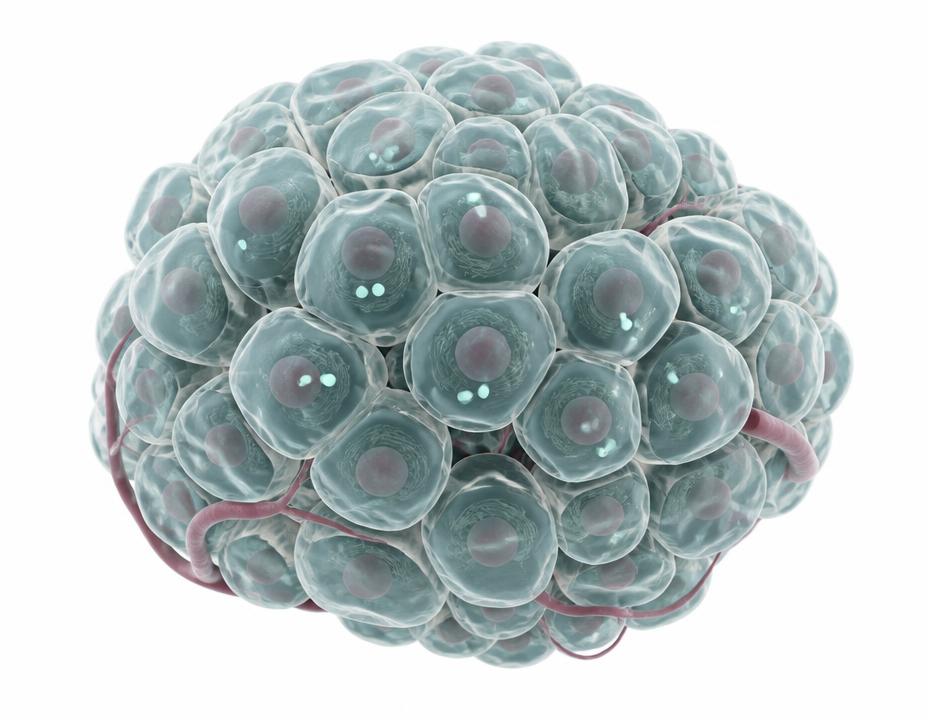
With reduced beta-cell mass, secretory capacity falls and postprandial control deteriorates.
With reduced beta-cell mass, secretory capacity falls and postprandial control deteriorates.
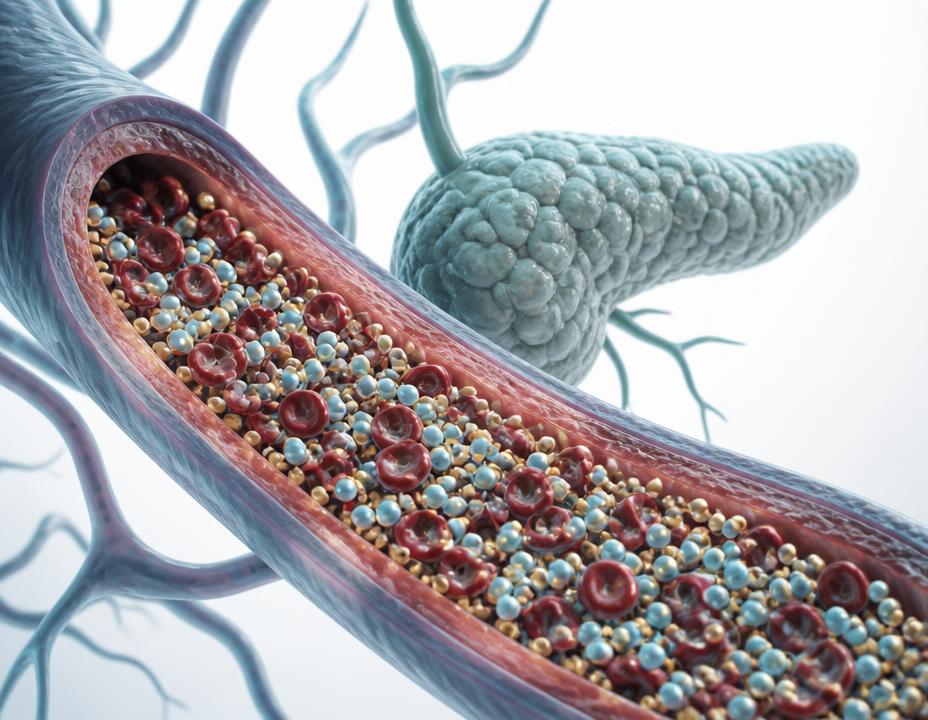
Hyperglycemia crosses diagnostic thresholds — years after the underlying beta-cell attrition began.
Hyperglycemia crosses diagnostic thresholds — years after the underlying beta-cell attrition began.
Four biomarkers. One comprehensive view of beta cell health.
Beta Intercept™ T2D integrates four complementary biomarkers to evaluate active beta-cell injury, insulin production, and glycemic control—providing a more complete assessment of metabolic health than any individual marker alone.
Beta Score™
Direct Measure of Active Beta Cell Death
Measures circulating unmethylated beta-cell-derived cfDNA released during apoptosis, providing a direct biological signal of ongoing pancreatic beta-cell injury.
- Active beta-cell apoptosis
- Real-time pancreatic injury
- Disease activity
- Longitudinal beta-cell preservation
DNA strand resolving into digital biomarker particles
Insulin
Current Insulin Production
Measures circulating insulin concentrations to evaluate endogenous insulin secretion and metabolic demand.
- Hyperinsulinemia
- Insulin secretion
- Early compensation
- Beta-cell function
Insulin molecule engaging its receptor
C-Peptide
Endogenous Beta Cell Function
Measures C-peptide released during endogenous insulin production to estimate remaining functional beta-cell capacity.
- Residual beta-cell reserve
- Endogenous insulin production
- Functional pancreatic capacity
- Disease progression
Pancreatic islet with secretion pathway
HbA1c
Long-Term Glycemic Control
Measures average blood glucose over approximately three months, reflecting cumulative glycemic exposure.
- Long-term glucose control
- Treatment response
- Glycemic trends
- Metabolic status
Red blood cell surrounded by glucose molecules
Comprehensive Beta Cell Intelligence
A Multi-Dimensional Assessment of Metabolic Health
No single biomarker fully captures the progression of Type 2 diabetes. Beta Intercept™ T2D combines direct measurement of active beta-cell injury (Beta Score™) with insulin, C-peptide, and HbA1c to provide a comprehensive view of pancreatic health, beta-cell function, and metabolic status.
Beta-cell mass is the reserve that determines the course of the disease.
Progressive apoptosis reduces insulin-producing capacity and diminishes pancreatic reserve.
Ongoing beta-cell loss contributes to worsening glycemic control and disease advancement long before many patients require insulin therapy.
Direct measurement of beta-cell apoptosis may identify disease progression while therapeutic intervention has greater potential to preserve remaining beta-cell function.
From Blood Sample to Biological Intelligence
Every Kihealth Labs result begins with a simple blood draw and progresses through a highly advanced molecular workflow designed to preserve biological integrity, quantify beta-cell injury, and transform complex molecular signals into clinically actionable intelligence.
- 01
Patient Evaluation
Clinical indication and informed consent

- 02
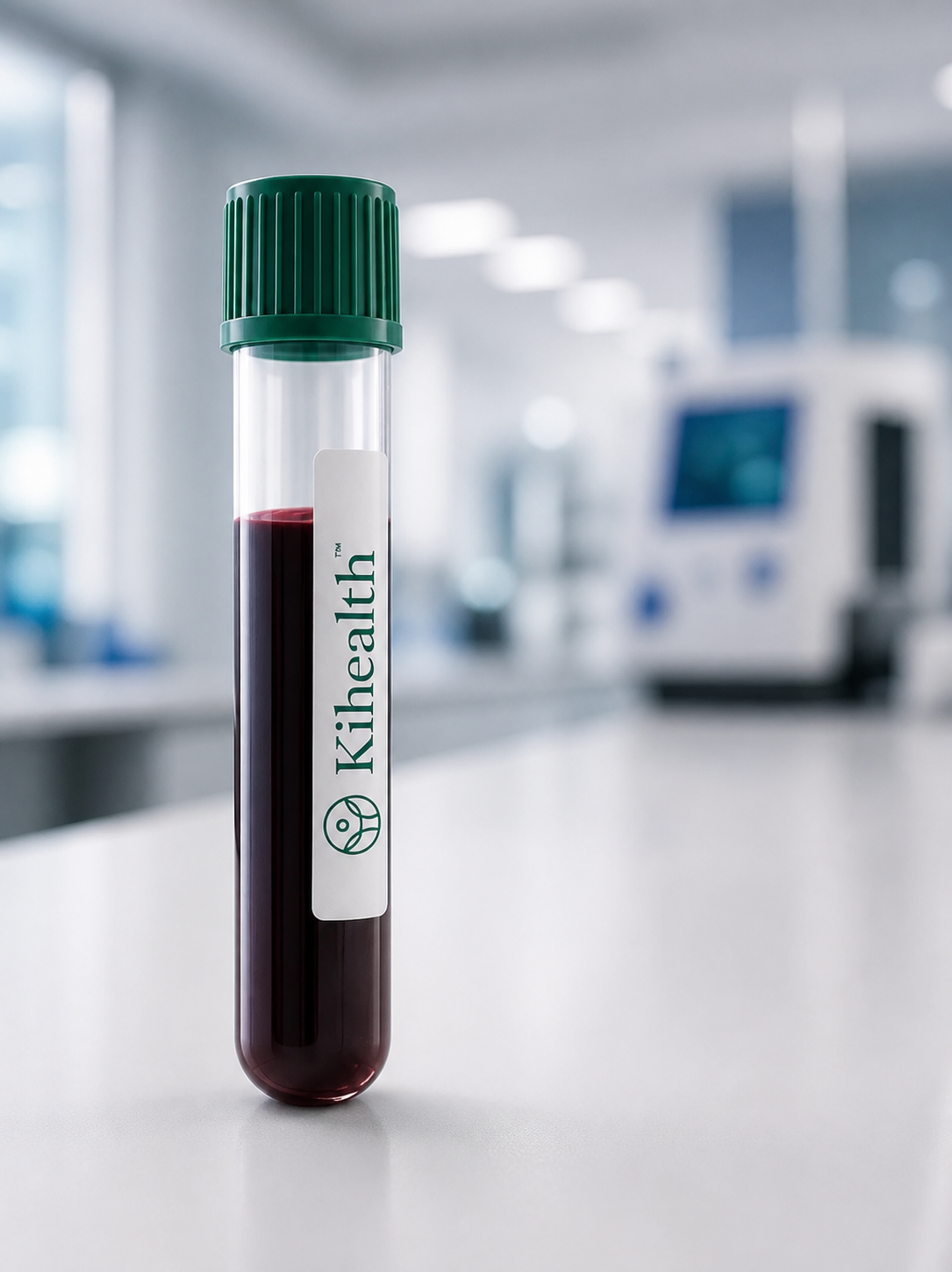
Blood Collection
Single standard venous draw
- 03
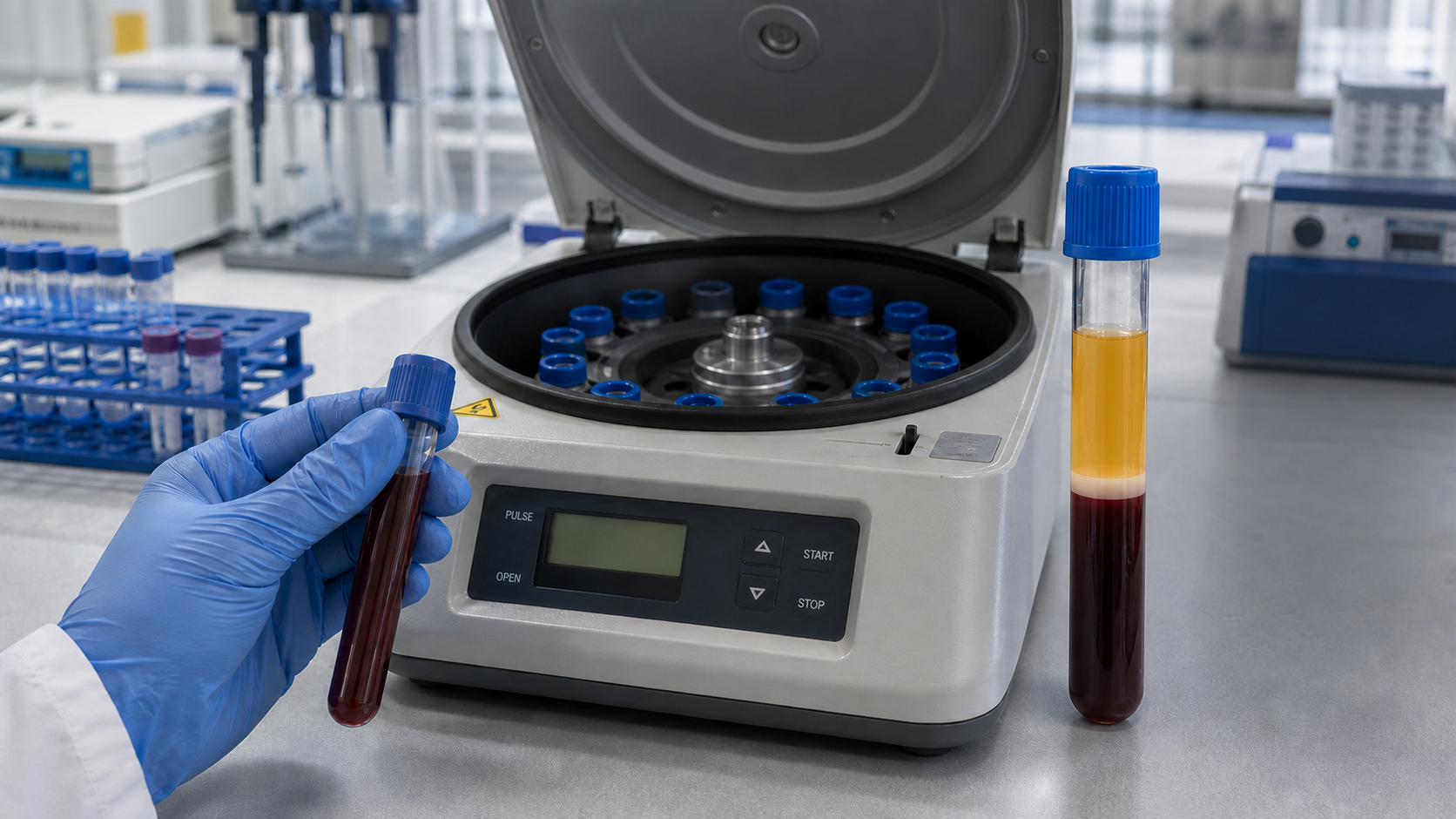
Plasma Preparation
Centrifugation and plasma isolation
- 04
Cell-Free DNA Extraction
Isolation of circulating cfDNA from plasma

- 05
Bisulfite-Free Methylation Analysis
Preserves fragile cfDNA and methylation signal

- 06
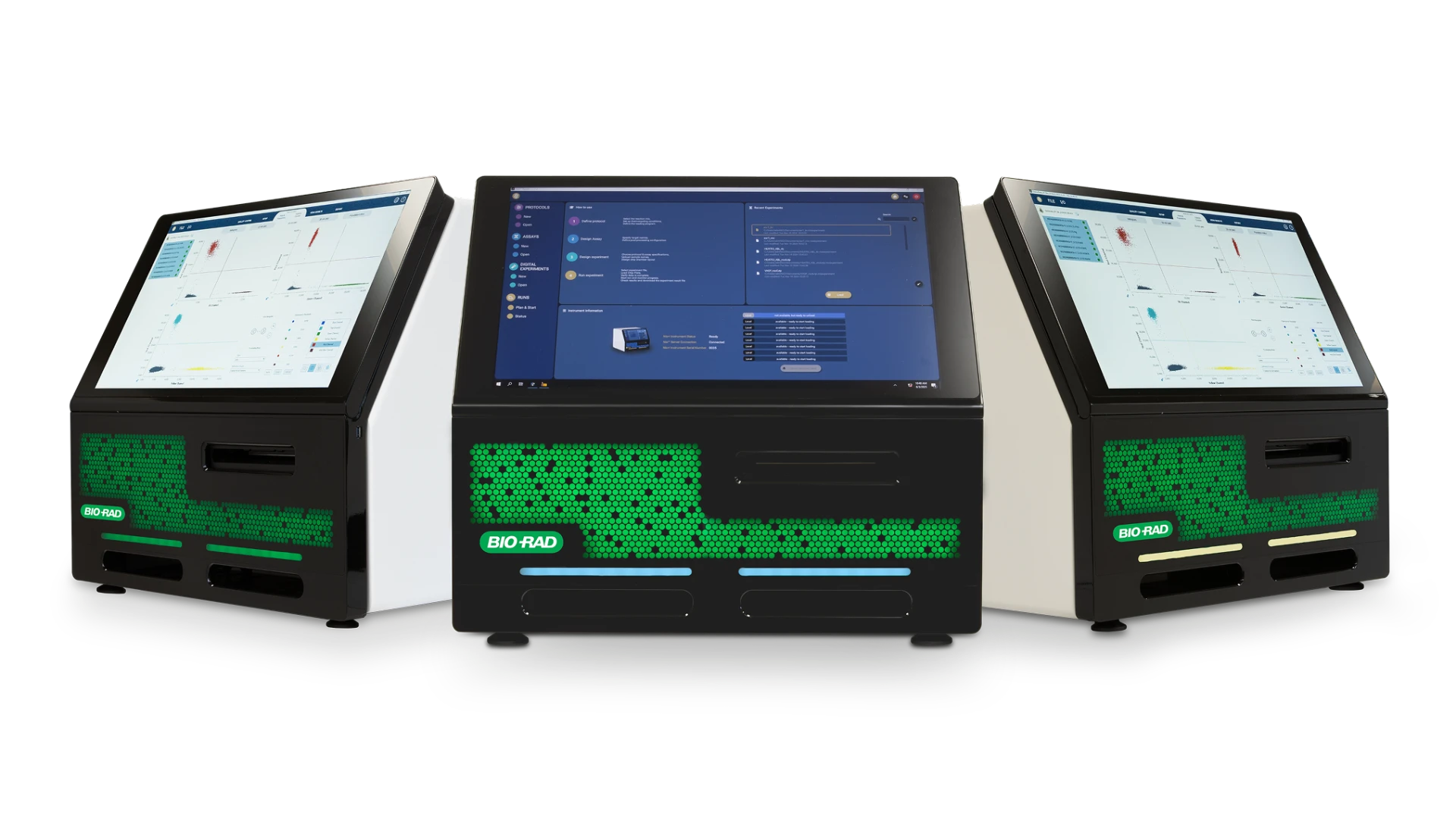
Droplet Digital PCR
Bio-Rad platform for absolute quantification
- 07
Ki Intelligence AI Analysis
Intercept IQ™ contextual interpretation

- 08
Clinical Report
Actionable, longitudinal output

Minimally Invasive
Simple blood draw
Highly Precise
Beta-cell-specific detection
Early Insight
Detects change before symptoms
Clinically Actionable
Real data. Real decisions.
Longitudinal Value
Track. Monitor. Intervene.
Designed for modern metabolic medicine.
Every setting below asks a different clinical question. Beta Score™ answers all of them from the same standard blood draw.
- 1
- Blood draw
- 10
- Care settings
- 3
- Decision layers
Find beta cell injury before glucose moves
HbA1c and fasting glucose report damage that has already accumulated. Beta Score™ reports injury while it is still happening.
- Early DetectionIs beta cell loss active right now?
Flags unmethylated INS cfDNA release in patients whose glucose panels still read normal.
Years ahead of HbA1c drift - Prediabetes Risk AssessmentWhich prediabetic patient converts next?
Separates stable insulin resistance from patients with ongoing beta cell attrition.
Stratifies a 1-in-3 population - Population HealthWhere should screening dollars go?
A single blood draw ranks cohorts by active injury instead of by claims history.
Cohort-level triage
Built into the settings where metabolic disease is managed
One venous draw, standard phlebotomy, results returned in a report clinicians can read in under a minute.
- Primary CareWho needs escalation today?
Adds an actionable beta cell readout to the annual metabolic panel with no new workflow.
Routine draw, no prep - EndocrinologyIs the current regimen preserving function?
Serial Beta Score™ trends show whether therapy is protecting remaining beta cell mass.
Serial trend monitoring - Functional MedicineIs the protocol actually changing biology?
Objective molecular evidence to anchor nutrition, sleep, and metabolic interventions.
Objective endpoint - Longevity ClinicsHow is metabolic reserve aging?
Tracks organ-level beta cell resilience alongside existing longevity biomarker panels.
Reserve over time
Proof that an intervention is working — earlier
Weight and HbA1c take quarters to move. Beta cell injury responds first, giving programs a near-term signal of benefit.
- GLP-1 ProgramsIs this patient responding beyond weight?
Distinguishes true beta cell protection from weight loss alone during titration.
Early response marker - Weight Management ClinicsWhat justifies continued therapy?
Gives programs a metabolic outcome to report when the scale plateaus.
Retention-grade evidence - Employer Health ProgramsIs the benefit spend returning anything?
Measures program impact on the disease driver, not just engagement metrics.
Outcome accountability

Bringing Beta Intercept into drug development.
For sponsors developing infusion therapies, drugs, implants, and regenerative interventions, Beta Intercept™ T2D delivers a direct measure of beta-cell injury that transforms how trials are designed, enrolled, and evaluated.
- 1Therapeutic DevelopmentSponsors developing infusion therapies, oral drugs, implants, or cell-based interventions partner with Kihealth to integrate Beta Intercept™ into their trial design.
- 2Enriched Patient EnrollmentBeta Intercept™ screens candidates for active, functioning beta cells — ensuring the right patients enter the study. Enrolling patients with viable beta-cell mass increases the likelihood of detecting a therapeutic signal.
- 3Baseline Biomarker MeasurementEach enrolled patient receives a baseline Beta Score™ — a direct, quantitative measure of active beta-cell injury before treatment begins.
- 4Therapeutic InterventionThe investigational therapy is administered while serial blood draws capture Beta Score™ at protocol-defined intervals throughout the study.
- 5Serial Monitoring & Endpoint AnalysisLongitudinal Beta Score™ trajectories reveal whether the treatment is preserving, restoring, or failing to protect beta cells — an extra endpoint beyond glucose-based metrics.
- 6Mechanistic Evidence & Regulatory SupportDirect cellular-injury data strengthens proof-of-mechanism, supports companion-diagnostic strategies, and gives sponsors a richer dataset for regulatory submissions.
- Infusion therapies
- Oral small-molecule drugs
- Beta-cell implants & encapsulation devices
- Stem-cell & regenerative therapies
- GLP-1 and incretin-based treatments
- Immunomodulatory interventions
Adding Beta Intercept™ to a study means enrolling patients with active, functioning beta cells — the population most likely to respond. It means an extra endpoint that measures beta-cell injury directly. And it means richer, mechanistic evidence that strengthens every submission.
Detect beta cell loss earlier. Make more informed clinical decisions.
Beta Intercept™ T2D provides a direct biological measure of beta-cell injury, helping clinicians, researchers, and therapeutic developers better understand disease progression and evaluate interventions before traditional biomarkers fully capture change.