
For Providers

Earlier Insight. Better Decisions. Healthier Patients.

Partner with Kihealth Labs to bring next-generation molecular diagnostics into your practice. Our BetaIntercept™ portfolio provides physicians with advanced biological insight into Type 1 diabetes, Type 2 diabetes, metabolic health, and disease progression through a single blood sample.

CLIA molecular laboratory Single blood sample Physician-grade reporting
Physician reviewing laboratory results with a patient

The Next Generation of Metabolic Diagnostics

Traditional metabolic testing often evaluates downstream changes after disease has already progressed. Kihealth's molecular diagnostics platform is designed to evaluate active disease biology and provide physicians with deeper insight into metabolic health across the continuum of care.

Earlier biological insight

Detect active disease biology earlier in the continuum — before traditional markers shift.

Beta cell–focused diagnostics

Direct molecular signals of beta cell stress, injury, and turnover.

Prevention-focused care

Inform interventions earlier, when prevention and modification are most effective.

Longitudinal patient monitoring

Serial testing supports response assessment and long-term metabolic surveillance.

Precision medicine support

Multi-marker panels designed for individualized clinical decision support.

Research-backed innovation

Built on translational science from leading academic and clinical institutions.

Our Diagnostic Portfolio

Two molecular diagnostics. One mission: earlier detection and better metabolic care.

Kihealth Labs has developed two physician-ordered molecular diagnostic panels designed to provide deeper biological insight across the continuum of Type 1 and Type 2 diabetes. Both tests require only a simple venous blood draw and are processed in our CLIA- and COLA-certified high-complexity molecular laboratory.

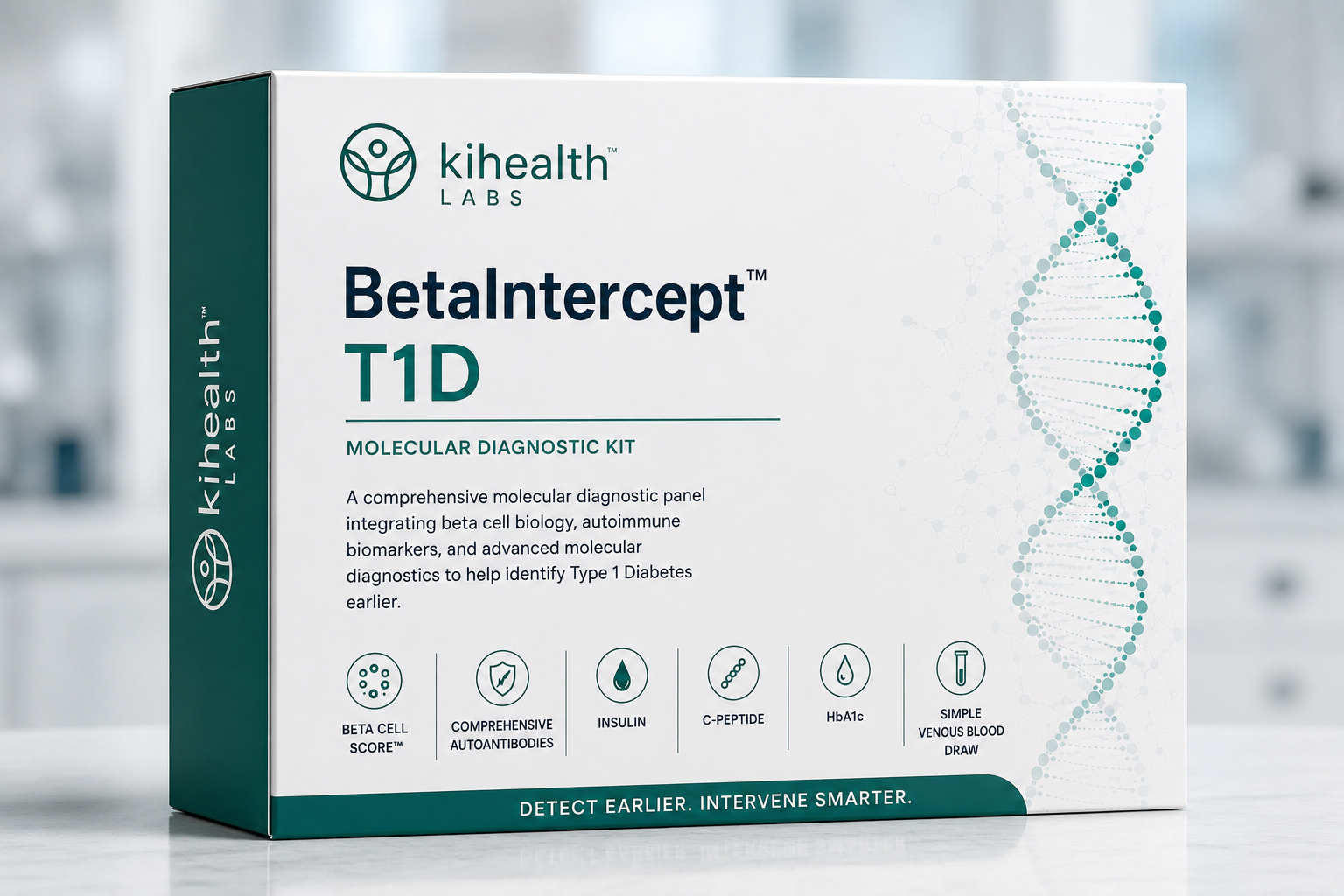
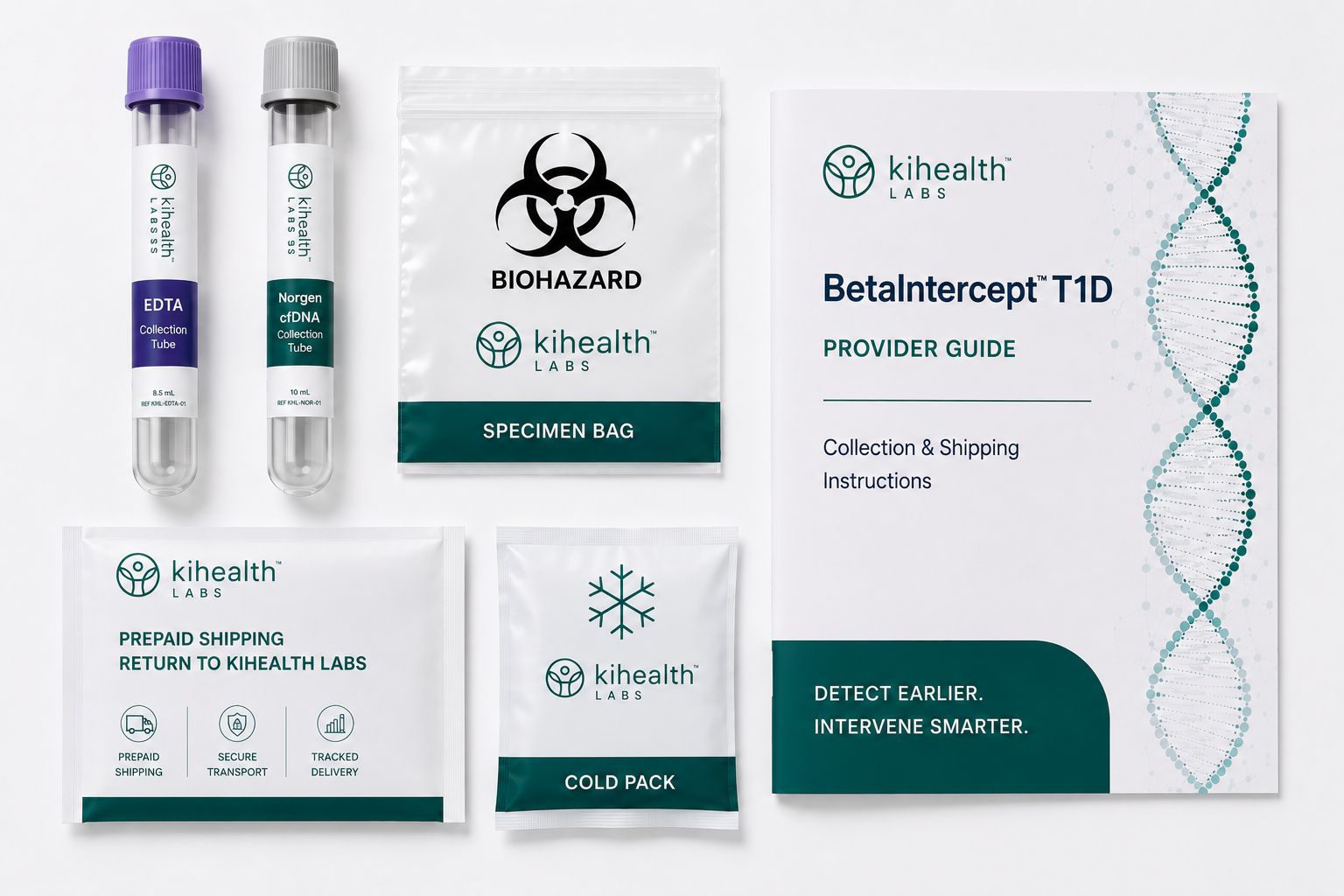
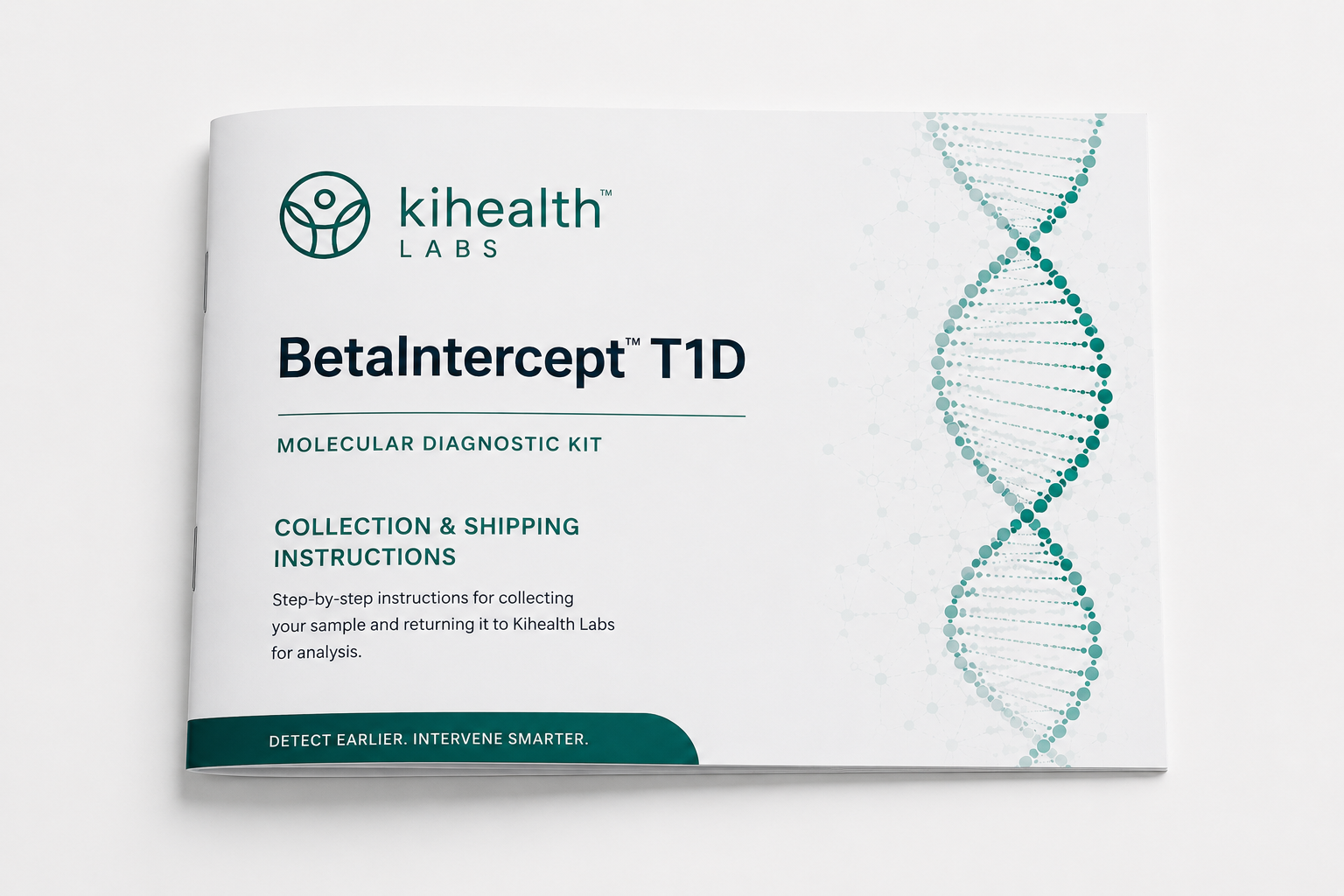
BetaIntercept™ T1D — Front of box
BetaIntercept™ T1D

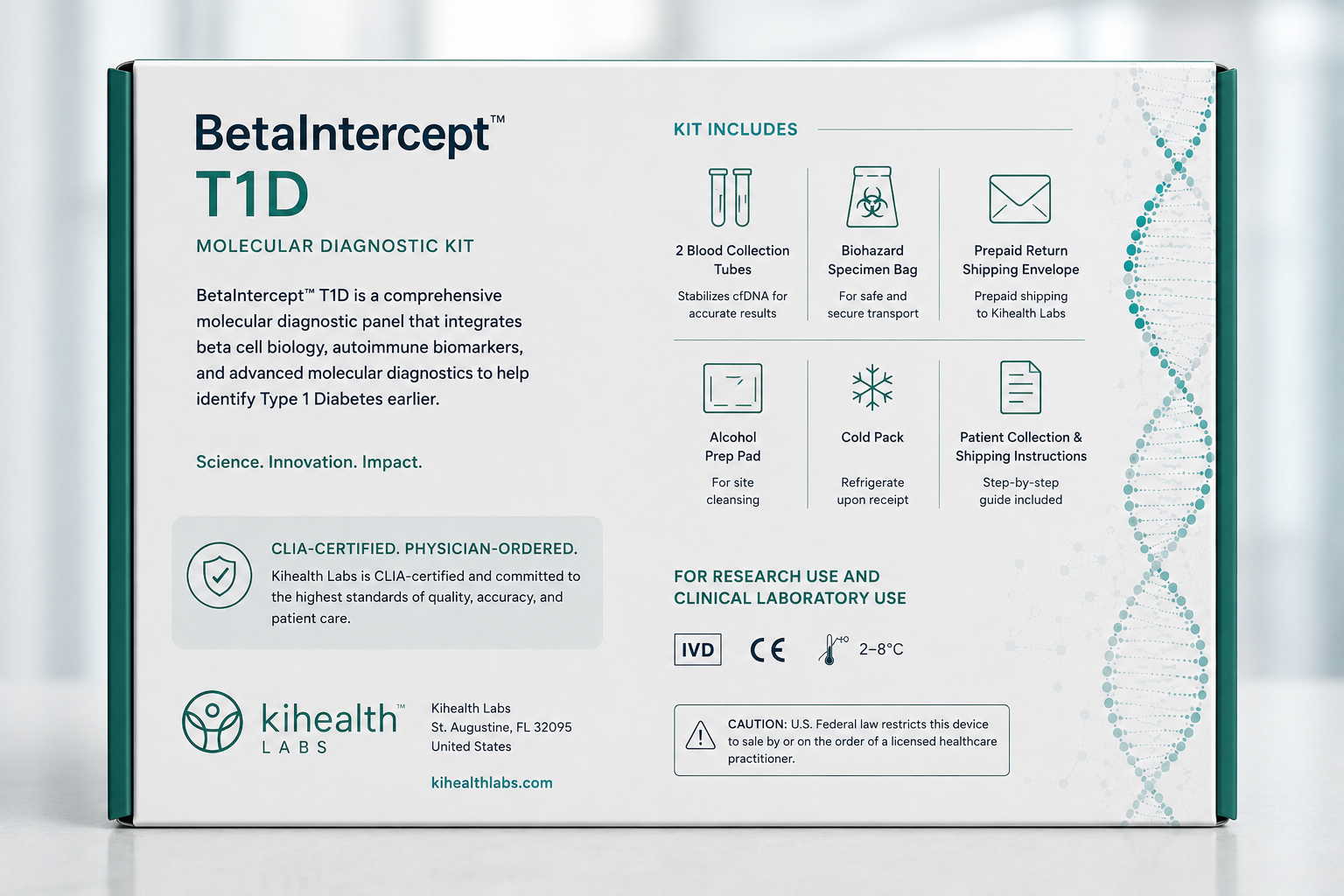
BetaIntercept™ T1D

Early detection and longitudinal monitoring of Type 1 diabetes through advanced beta cell biology, autoimmune biomarkers, and molecular diagnostics.

A physician-ordered molecular diagnostic panel designed to support earlier identification of beta cell injury, evaluate autoimmune activity, and enable longitudinal monitoring across pediatric and at-risk populations.

Designed For

  • Pediatric screening
  • Type 1 diabetes risk assessment
  • Earlier identification of beta cell injury
  • Longitudinal monitoring
  • Autoimmune disease evaluation
  • Prevention-focused clinical care

Biomarker Panel

Beta Cell Score™
Comprehensive Autoantibody Panel
Insulin
C-Peptide
HbA1c
Simple Venous Blood Draw

Clinical Workflow

  1. 1Simple Venous Blood Draw
  2. 2Kihealth Molecular Laboratory
  3. 3Comprehensive Biomarker Analysis
  4. 4Physician Report

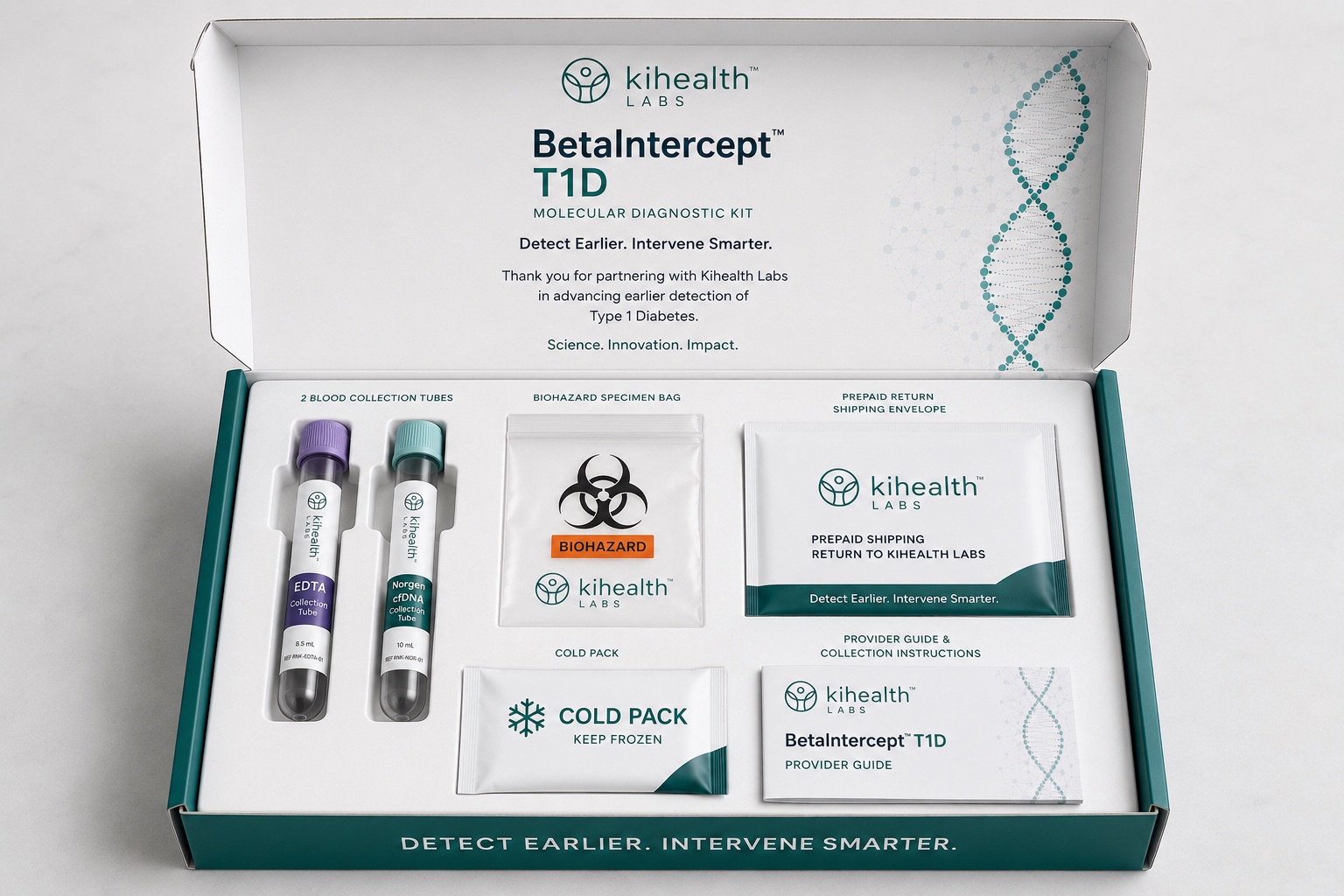
What's Inside the Kit

  • EDTA Blood Collection TubeSterile, pre-labeled
  • Norgen cfDNA Blood Collection TubeStabilizes cfDNA for accurate results
  • Biohazard Specimen Bag95 kPa certified
  • Prepaid Return Shipping EnvelopeReturn-ready, no postage
  • Cold PackMaintains 2–8°C in transit
  • Provider Guide & Collection InstructionsStep-by-step guide
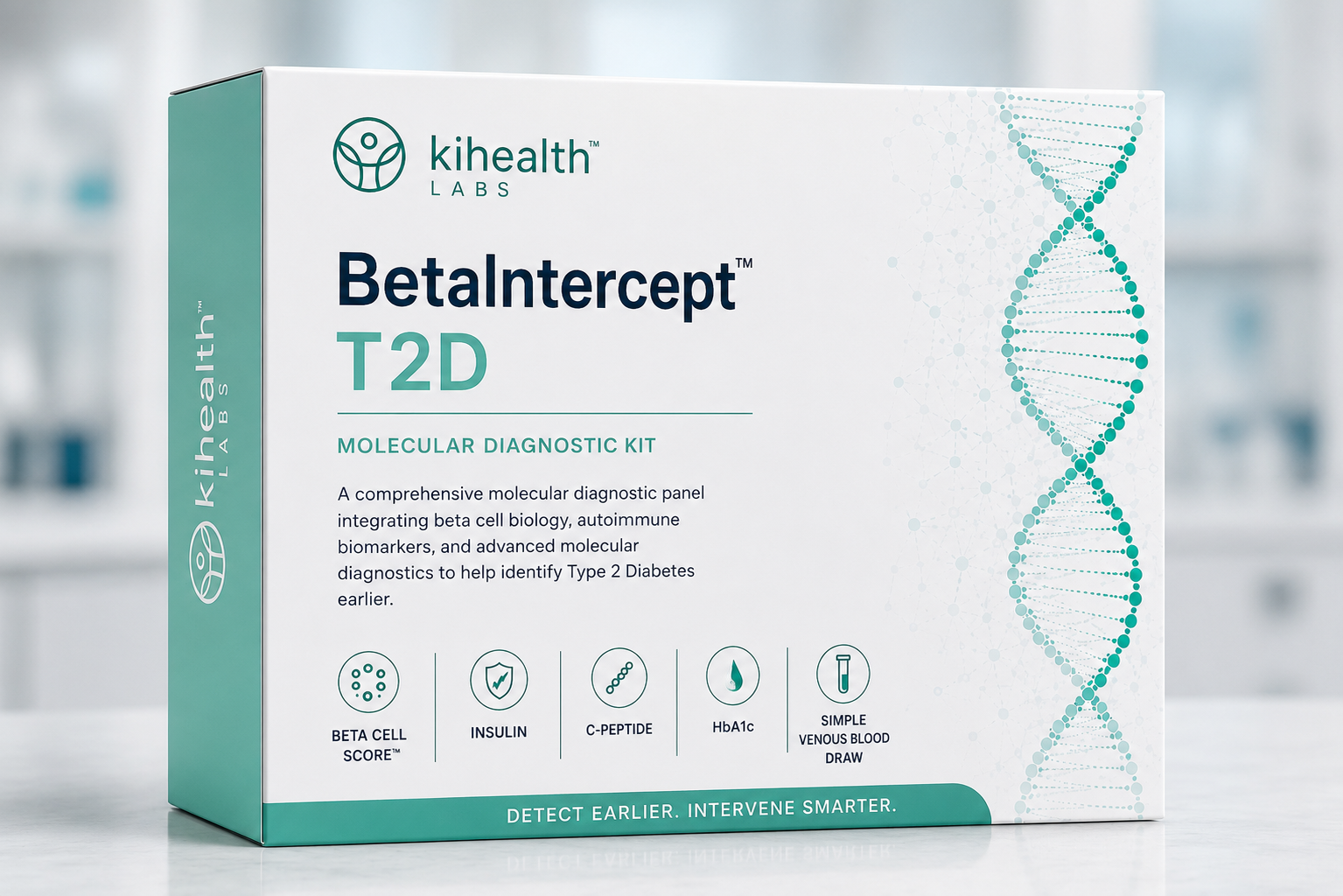
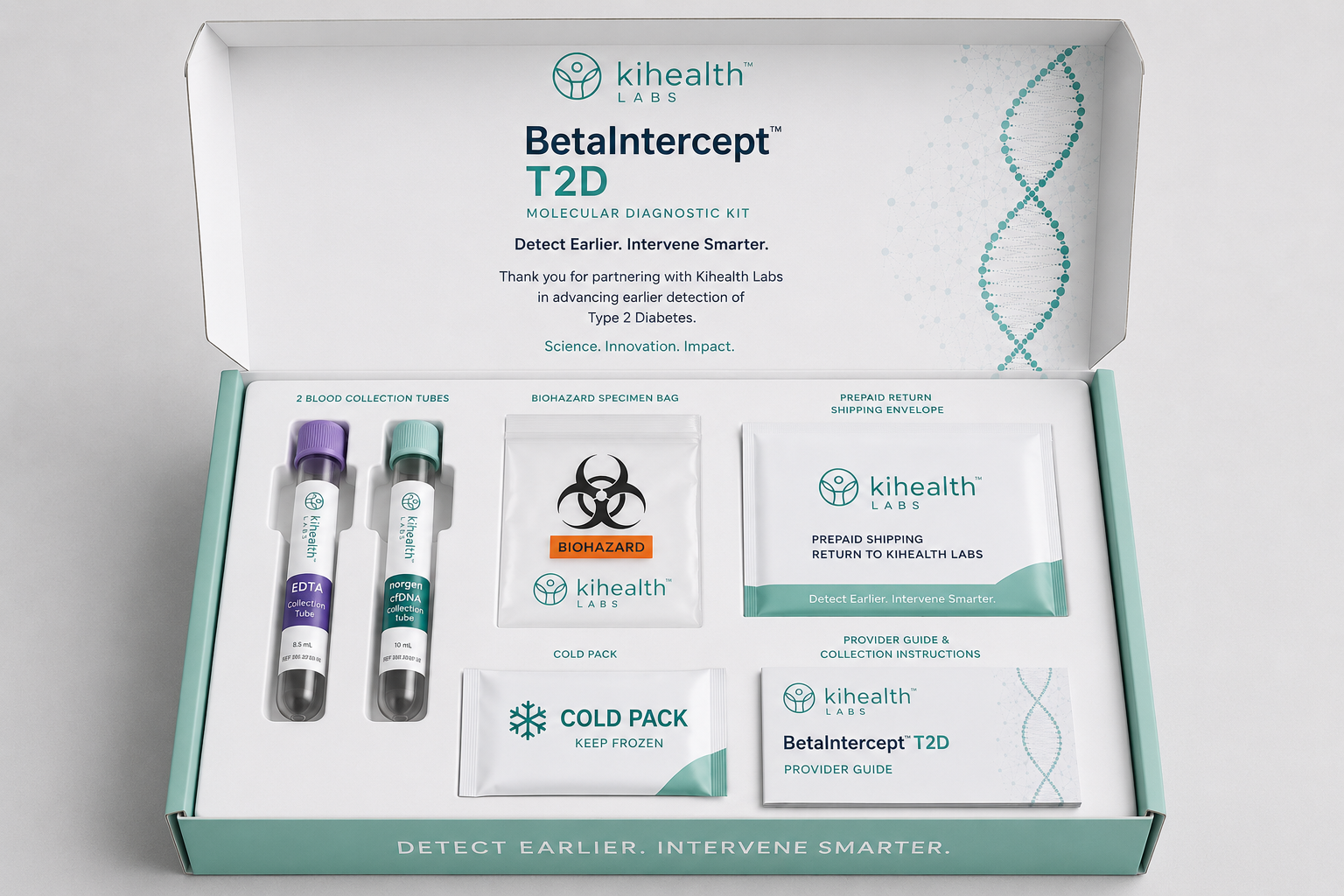
BetaIntercept™ T2D — Front of box
BetaIntercept™ T2D

BetaIntercept™ T2D

Earlier detection and longitudinal monitoring of Type 2 diabetes through advanced beta cell biology and metabolic biomarker analysis.

A physician-ordered molecular diagnostic panel designed to support earlier identification of metabolic dysfunction, evaluate beta cell health, and enable longitudinal monitoring throughout disease progression and therapeutic intervention.

Designed For

  • Type 2 diabetes risk assessment
  • Prediabetes evaluation
  • Comprehensive metabolic health
  • Beta cell biology
  • Longitudinal patient monitoring
  • Lifestyle intervention monitoring
  • GLP-1 therapy monitoring
  • Weight management programs
  • Employer health programs
  • Precision metabolic medicine

Biomarker Panel

Beta Cell Score™
Insulin
C-Peptide
HbA1c
Simple Venous Blood Draw

Clinical Workflow

  1. 1Simple Venous Blood Draw
  2. 2Kihealth Molecular Laboratory
  3. 3Advanced Metabolic Analysis
  4. 4Physician Report
  5. 5Longitudinal Monitoring

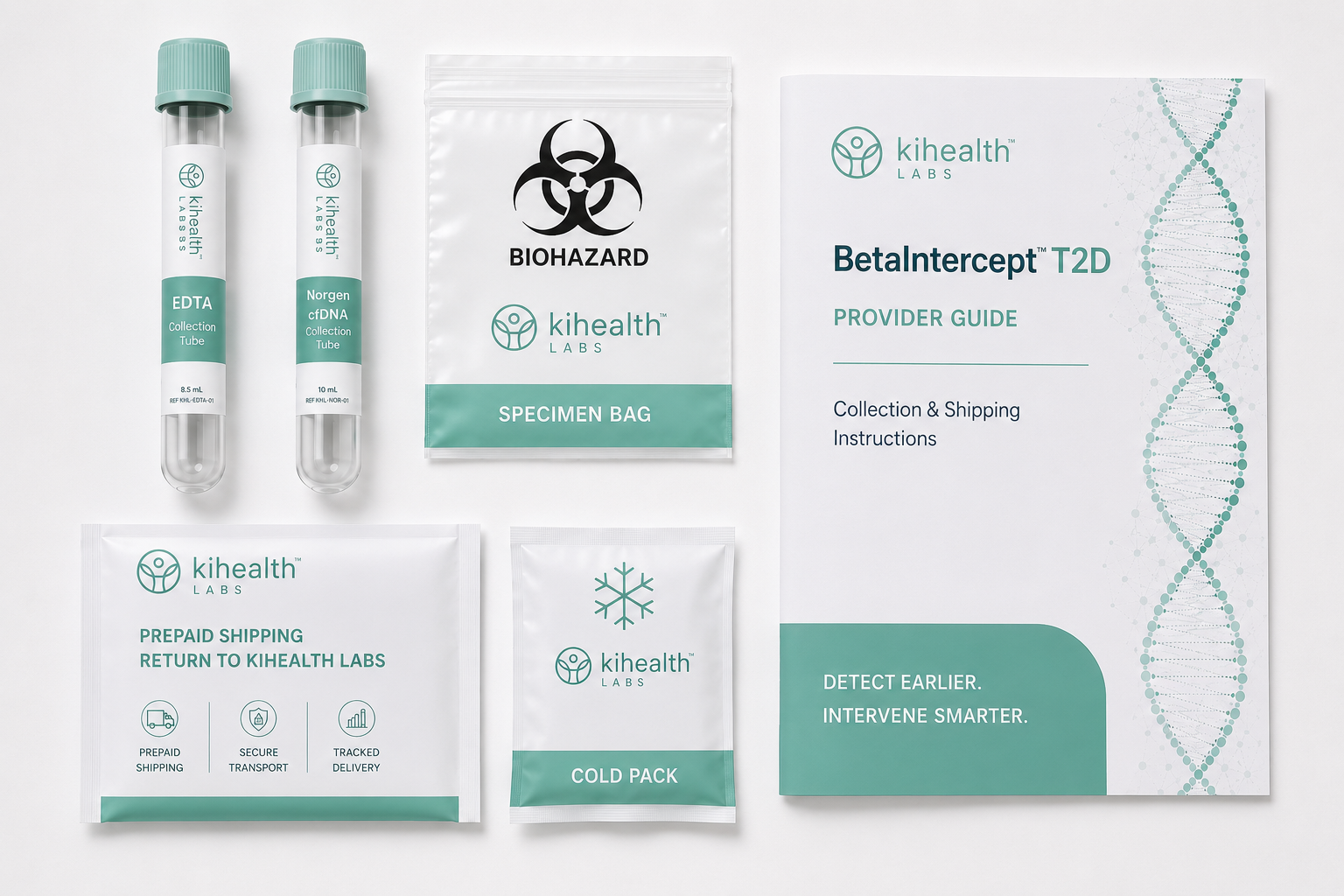
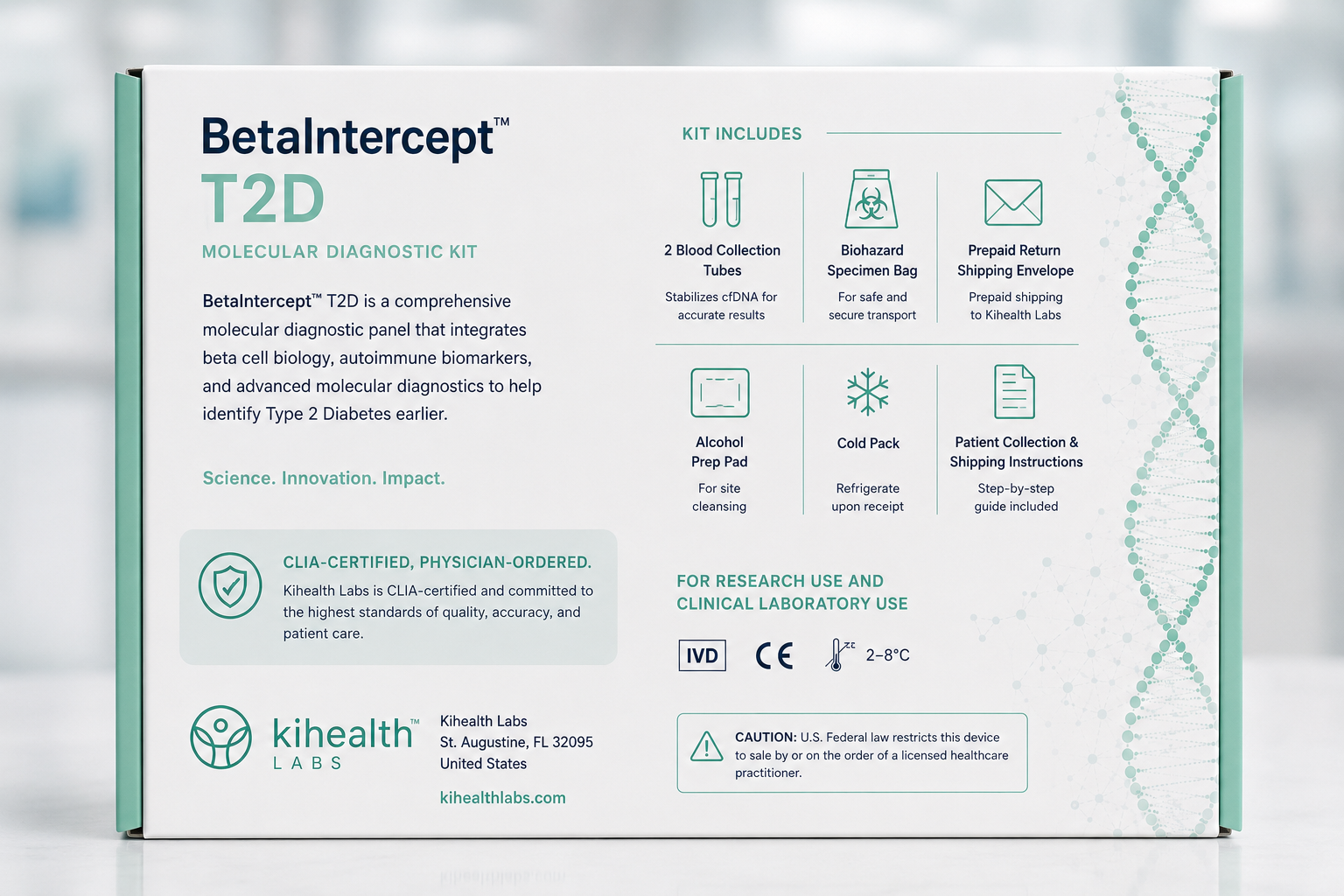
What's Inside the Kit

  • EDTA Blood Collection TubeSterile, pre-labeled
  • Norgen cfDNA Blood Collection TubeStabilizes cfDNA for accurate results
  • Biohazard Specimen Bag95 kPa certified
  • Prepaid Return Shipping EnvelopeReturn-ready, no postage
  • Cold PackMaintains 2–8°C in transit
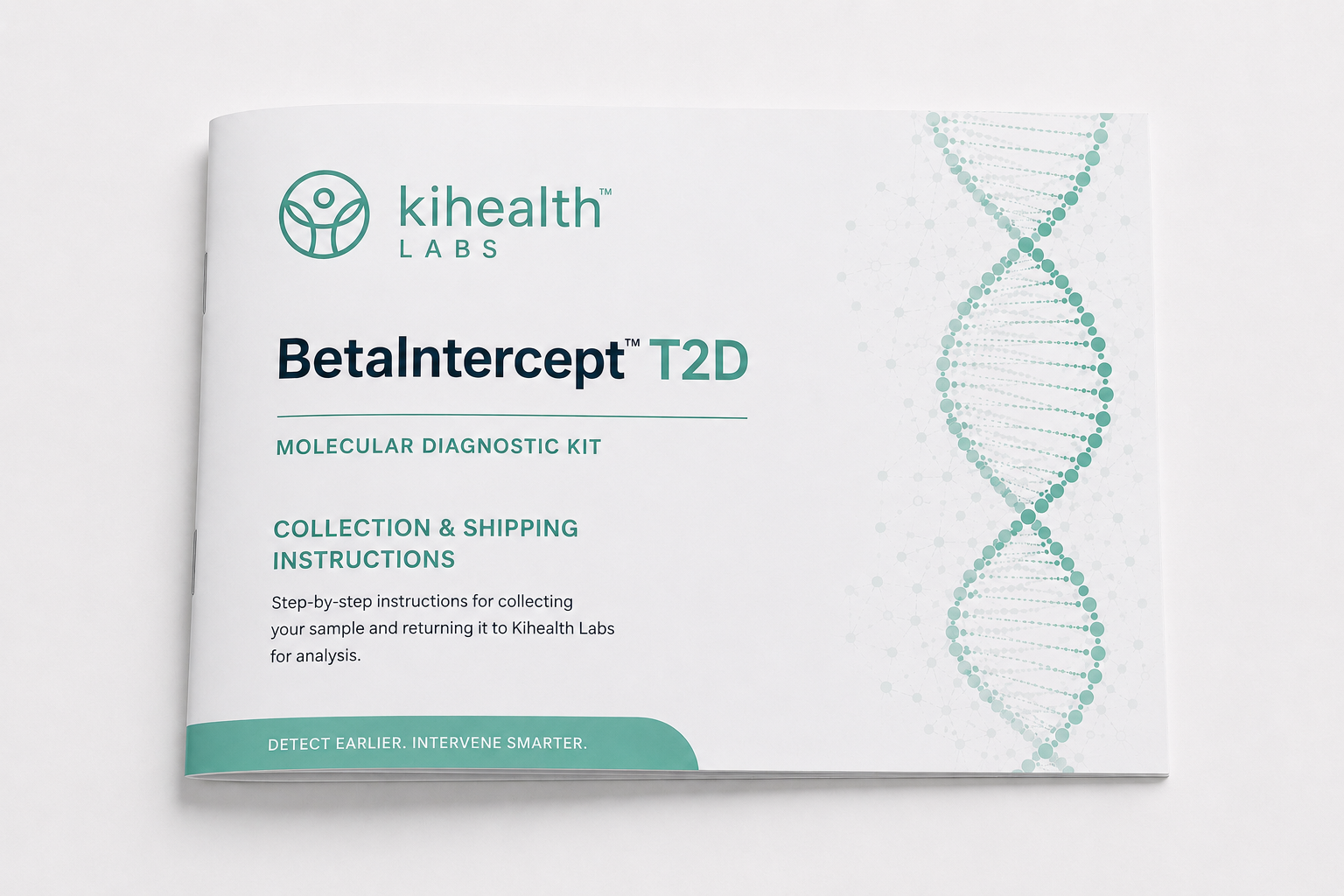
  • Provider Guide & Collection InstructionsStep-by-step guide
Side by Side

Compare BetaIntercept™ T1D and T2D

FeatureBetaIntercept™ T1DBetaIntercept™ T2D
Primary focusType 1 DiabetesType 2 Diabetes
Target populationPediatric & at-risk patientsAdults with metabolic risk
Beta Cell Score™
Insulin
C-Peptide
HbA1c
Comprehensive autoantibody panel
Simple venous blood draw
Longitudinal monitoring
GLP-1 therapy monitoring
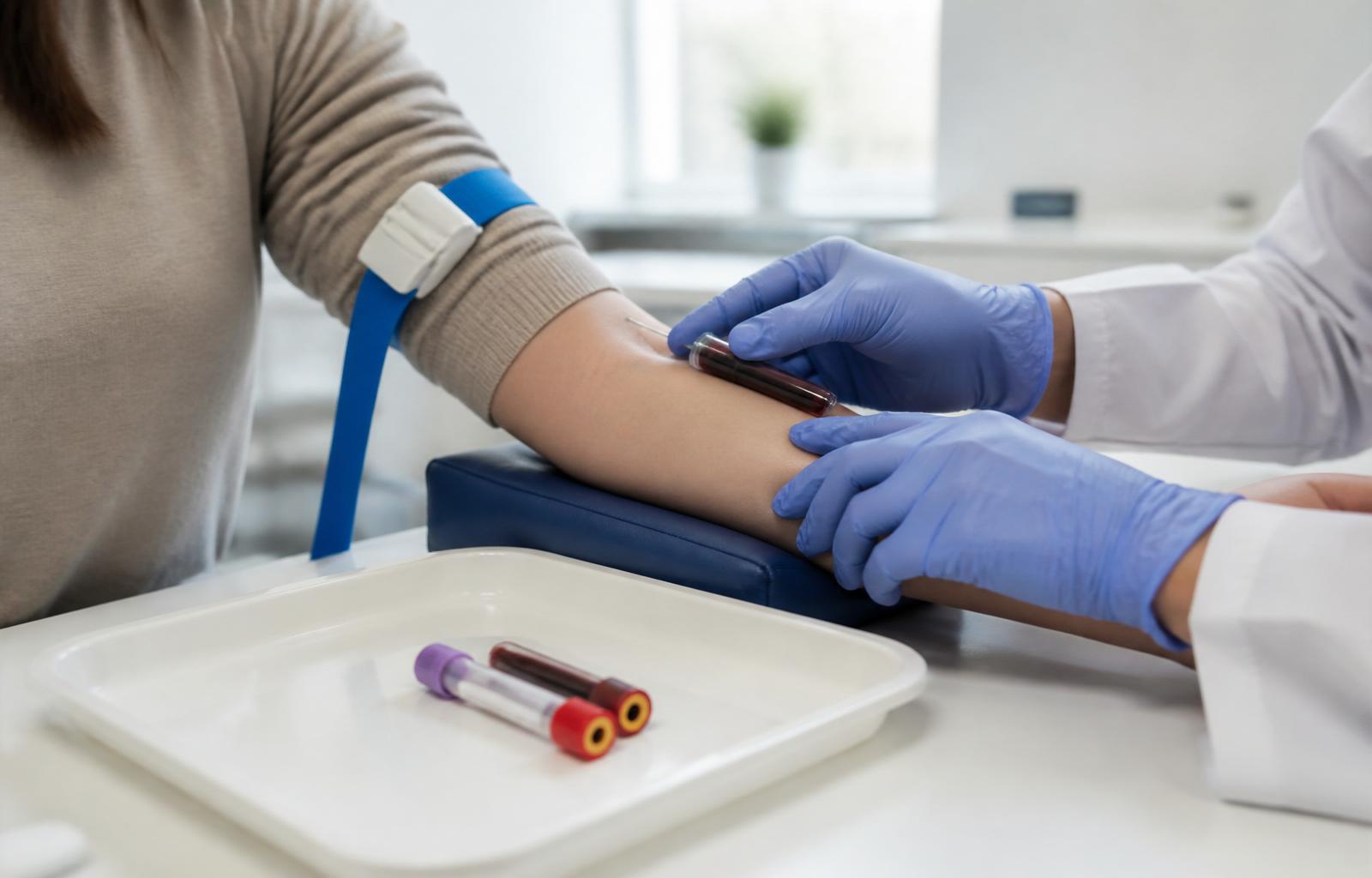
Clinical venipuncture blood draw with standard collection tubes

Sample Collection

Simple collection. Advanced science.

Both BetaIntercept™ T1D and BetaIntercept™ T2D require only a simple venous blood draw using two standard blood collection tubes. Samples are processed in Kihealth Labs' CLIA- and COLA-certified high-complexity molecular laboratory.

Venous blood draw
2 standard tubes
CLIA + COLA certified
High-complexity lab
Pediatric endocrinologist reviewing molecular diagnostic results with a teenage patient and parent in a modern children's hospital
BetaIntercept™ T1D

Earlier Detection. Better Outcomes.

BetaIntercept™ T1D enables clinicians to identify active beta-cell injury before traditional biomarkers reveal disease progression, creating an opportunity for earlier intervention and improved patient outcomes.

BetaIntercept™ T1D

Earlier Insight Into Type 1 Diabetes

A molecular diagnostic platform designed for pediatric screening, Type 1 diabetes risk assessment, earlier detection of beta cell injury, and prevention of late-stage diagnosis.

Pediatric populations
Type 1 diabetes
Autoimmune progression
Earlier detection
Disease interception
Longitudinal monitoring
Clinical research

The Type 1 Diabetes Continuum

1

Healthy Islets

2

Genetic Susceptibility

3

Immune Activation

4

Autoantibody Development

5

Beta Cell Stress

6

Beta Cell Death

7

Declining Insulin Production

8

Clinical Type 1 Diabetes

Our goal is to identify disease biology before patients present with advanced disease.

Autoimmune Biomarker Panel

Five validated autoantibody markers covering the breadth of islet autoimmunity.

Molecular Biomarkers

Beta cell biology and metabolic context from a single blood draw.

BetaIntercept™

Proprietary cfDNA assay for beta cell injury.

Cell-Free DNA

Circulating DNA fragments released from injured cells.

Beta Cell Injury

Methylation signal specific to pancreatic beta cells.

Insulin

Endogenous insulin production.

C-Peptide

Surrogate marker of beta cell secretory function.

HbA1c

Three-month glycemic exposure.

Adult patient consultation with an endocrinologist reviewing a molecular diagnostic report in a modern outpatient clinic
BetaIntercept™ T2D

Comprehensive Molecular Intelligence for Metabolic Disease

Move beyond glucose alone with real-time molecular insights into beta-cell health, metabolic dysfunction, and disease progression.

BetaIntercept™ T2D

Comprehensive Metabolic Intelligence

A comprehensive molecular and metabolic health panel designed to evaluate beta cell biology, metabolic dysfunction, disease progression, and response to therapeutic intervention.

Clinical Applications

Type 2 Diabetes Prevention
Prediabetes Risk Assessment
Comprehensive Metabolic Health
Beta Cell Monitoring
Lifestyle Intervention Monitoring
GLP-1 Therapy Monitoring
Weight Management Programs
Employer Health Programs
Longevity Medicine
Functional Medicine
Concierge Medicine

Precision Diagnostics

Comprehensive Biomarker Dashboard

Physician-facing molecular intelligence across beta cell biology and metabolic context.

Illustrative
Patient · BetaIntercept™ T2D · Visit 03
CLIA + COLA
15.0%Methylated
BetaIntercept™ Focal Marker

Percent Methylated

Direct measurement of beta cell–derived methylated cfDNA indicating ongoing beta cell injury.

Elevated Beta Cell Injury· Reference range < 5%

HbA1c

Mild Elevation
5.9%

Reflects average glycemic exposure over the previous 2–3 months.

Fasting Insulin

Elevated
18µIU/mL

Suggestive of early insulin resistance.

C-Peptide

Normal
2.8ng/mL

Preserved endogenous insulin production.

Percent Methylated

Elevated Beta Cell Injury
15.0%

Evidence of ongoing pancreatic beta cell loss.

Clinical Interpretation

The biomarker profile demonstrates measurable beta cell injury despite relatively preserved endogenous insulin secretion. Elevated percent methylated cfDNA suggests ongoing pancreatic beta cell stress that may precede deterioration in traditional metabolic markers. These findings support closer longitudinal monitoring and earlier clinical intervention.

GLP-1 Monitoring

Monitor Response to Modern Metabolic Therapies

Serial testing supports physicians in assessing metabolic biology before, during, and after therapeutic intervention. Designed to support longitudinal assessment of metabolic health.

1

Baseline

2

GLP-1 Initiation

3

3 Months

4

6 Months

5

Long-Term Monitoring

Multidisciplinary clinical team reviewing molecular diagnostic reports in a modern conference room
Clinical Adoption

Designed for Modern Clinical Practice

Built for physicians seeking earlier disease detection, precision patient stratification, and actionable molecular insights that complement traditional metabolic testing.

Who Should Offer BetaIntercept™

Designed for clinicians across the prevention and metabolic care continuum.

Endocrinology

Primary Care

Pediatrics

Family Medicine

Functional Medicine

Integrative Medicine

Obesity Medicine

Concierge Medicine

Longevity Clinics

Employer Health Programs

Ideal Patient Populations

Clinical scenarios where deeper molecular insight changes the conversation.

01

Family history of diabetes

02

Pediatric autoimmune risk

03

Prediabetes

04

Insulin resistance

05

Obesity

06

GLP-1 therapy

07

Metabolic syndrome

08

High-risk patients

09

Wellness optimization

Clinical Laboratory Workflow

From Blood Sample to Molecular Insight

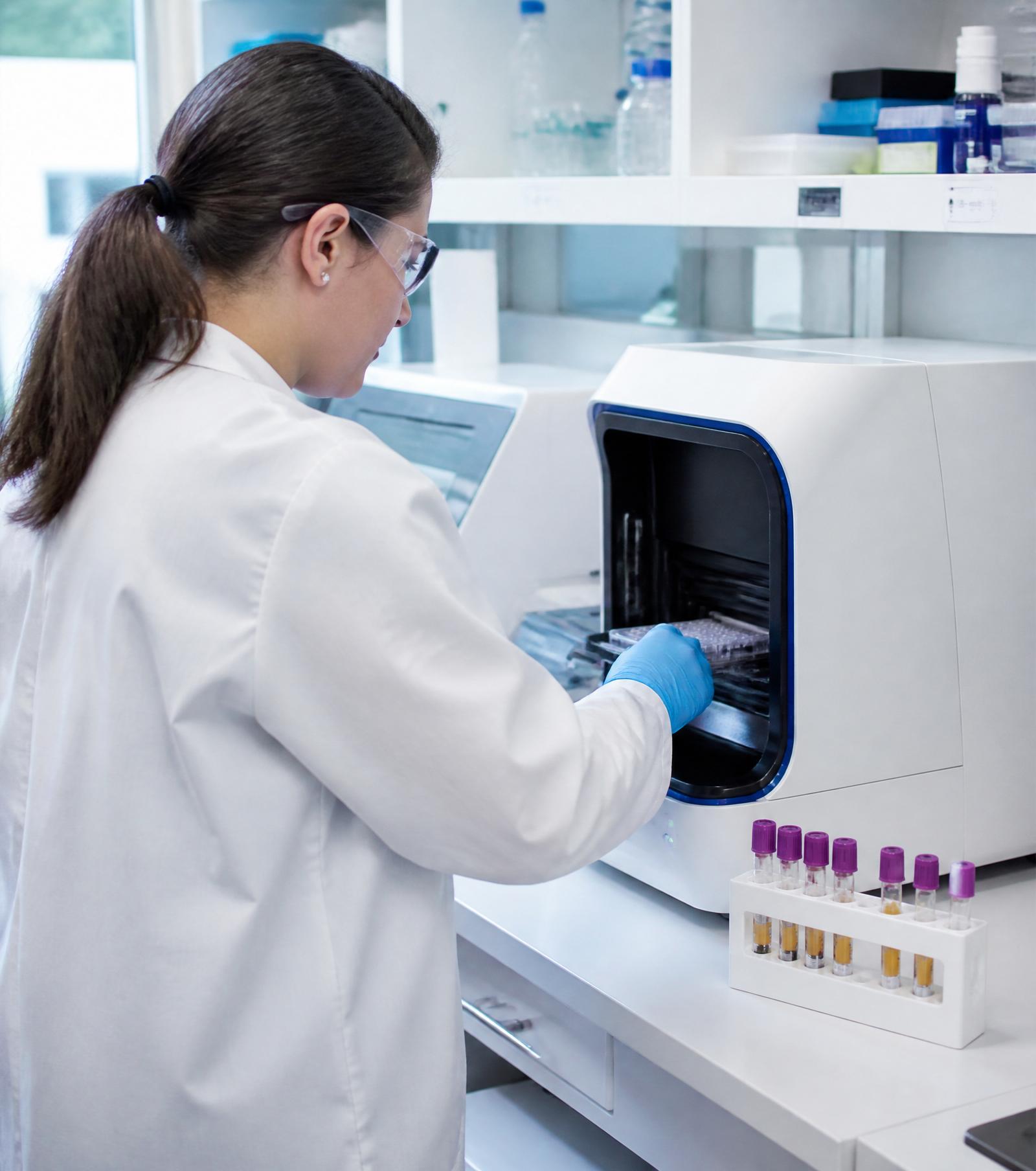
Scientist operating molecular diagnostics instrument
Real CLIA molecular laboratory · Kihealth Labs
01

Blood Collection

Standard venous draw at the provider's office or partner phlebotomy site.

02

Specimen Processing

Chain-of-custody intake and accessioning at our CLIA molecular lab.

03

Plasma Separation

Validated centrifugation protocol preserves cell-free DNA integrity.

04

Cell-Free DNA Extraction

High-yield extraction optimized for low-input plasma samples.

05

Digital Droplet PCR

ddPCR enables absolute quantification of beta cell–specific signals.

06

Molecular Biomarker Analysis

Methylation and cfDNA signatures interpreted against reference cohorts.

07

Autoimmune Marker Analysis (T1D)

Multi-autoantibody panel for islet-directed immunity.

08

Metabolic Marker Analysis (T2D)

Beta cell function and metabolic context integrated together.

09

AI & Pattern Recognition

Models contextualize results against longitudinal patient and population data.

10

Integrated Clinical Report

A single, physician-friendly report delivered into your workflow.

Clinical Workflow

Clinical Decision Support

Actionable molecular intelligence that enables earlier, more confident clinical decisions.

Earlier Disease Detection

Detect ongoing beta cell injury before conventional metabolic biomarkers become abnormal, enabling intervention during the earliest stages of disease progression.

Longitudinal Monitoring

Track changes in percent methylated cfDNA over time to assess disease progression, therapeutic response, and evolving patient risk.

Personalized Treatment Decisions

Combine beta cell biology with traditional metabolic biomarkers to guide individualized care plans and optimize treatment selection.

Risk Stratification

Identify patients most likely to progress toward overt diabetes, allowing clinicians to prioritize follow-up, prevention strategies, and specialist referral.

End-to-End

From sample to sustained clinical insight

Physician-ordered · CLIA + COLA certified
  1. 1

    Blood Collection

  2. 2

    Advanced Molecular Analysis

  3. 3

    Percent Methylated Calculation

  4. 4

    Integrated Biomarker Dashboard

  5. 5

    Clinical Interpretation

  6. 6

    Earlier Clinical Decision

  7. 7

    Longitudinal Monitoring

Becoming a Kihealth Provider Partner

A simple, supported pathway from first inquiry to integrated patient testing.

1

Request Information

2

Provider Consultation

3

Account Setup

4

Ordering Access

5

Patient Testing

6

Results Delivery

7

Clinical Support

Provider Resources

Materials to support your clinical, research, and operational teams.

Become a Provider Partner

Submit your information and our provider relations team will follow up to set up your account.

Interested In