

Translational science is a team sport.
Kihealth Labs partners across the diagnostic value chain — with academic medical centers, pharmaceutical developers, disease foundations, and health systems — to accelerate the path from molecular signal to clinical impact.
Collaboration Across the Healthcare Innovation Ecosystem
Kihealth Labs works with organizations seeking to better understand disease biology, evaluate emerging biomarkers and develop evidence for new diagnostic and therapeutic approaches.

High-Complexity Laboratory Infrastructure
Specialized molecular workflows, controlled biospecimen processing and quality systems designed to support complex biomarker and clinical-research programs.
Biomarker and Assay Development
Scientific and technical capabilities for biomarker evaluation, assay design, optimization and analytical validation.
Clinical-Study Support
Laboratory and scientific support for retrospective biobank studies, prospective research and interventional-trial biomarker programs.
Longitudinal Data Analysis
Evaluation of molecular and clinical changes over time to investigate disease progression, patient subgroups and treatment response.
Intercept IQ and Ki Intelligence
An integrated analytical environment that supports multimarker analysis, pattern identification, risk-model research and biological interpretation.
Translational and Diagnostic Development
Expertise connecting molecular findings with defined clinical questions, evidence-development strategies and potential diagnostic applications.
One Connected Development Environment — Tailored to Each Partner Type
Screening Initiatives and Diagnostic Support
Health systems partner with Kihealth Labs to bring high-complexity molecular measurement into routine clinical workflows — screening at-risk populations, supporting enrolled studies, and giving clinicians earlier, actionable evidence at the bedside.
- Screening initiatives for diabetic and pre-diabetic candidates
- Active, enrolled clinical-study programs
- Diagnostic tools that support clinician decision-making
- Longitudinal monitoring that enhances patient outcomes
- Diagnostic window
- Detection in the pre-symptomatic window, months before conventional measures
- Workflow
- Direct HL7 / FHIR integration — no new system to operate or staff
- Operational ROI
- One connected lab partner replaces a patchwork of reference labs and specialists
Research Collaborations and Reference Lab Support
Researchers and reference labs partner with Kihealth Labs to support ongoing studies, run standardized molecular assays on their cohorts, and access validated, auditable datasets — without developing the assay themselves.
- Supporting ongoing investigator-led research
- Formal research collaborations on cohorts and biobanks
- Utilized as a reference lab to run samples in partnership
- Access to validated longitudinal molecular datasets
- Time-to-data
- Skip 18–24 months of assay development and validation
- Reproducibility
- Standardized, auditable protocols across decentralized study sites
- Scientific ROI
- High-fidelity longitudinal datasets structured for rapid cohort discovery
Stratify Patients Earlier, Validate Faster
Pharma and biotech partners work with Kihealth Labs to identify the right patients earlier in disease progression and track molecular response to therapy in real time, supporting patient stratification, enrichment, and real-world evidence.
- Pre-symptomatic cohort identification for trial enrichment
- Longitudinal molecular response tracking
- Real-world evidence for regulatory filings
- Companion-diagnostic and biomarker development programs
- Trial enrichment
- Pre-symptomatic cohort identification narrows recruitment to high-intent patients
- Evidence
- Longitudinal molecular response data strengthens regulatory filings
- Commercial ROI
- Shorter time-to-market for precision and disease-intercepting therapies
The Organizations We Work With
Kihealth Labs works with organizations seeking to better understand disease biology, evaluate emerging biomarkers and develop evidence for new diagnostic and therapeutic approaches.

Pharmaceutical and Biotechnology Companies
Support biomarker programs, patient stratification, clinical-study endpoints and exploratory treatment-response analysis across therapeutic development.

Academic and Research Institutions
Collaborate on biomarker discovery, translational research, clinical studies, biobank analysis and scientific publication.

Clinical-Trial Sponsors and CROs
Provide specialized laboratory testing, biospecimen workflows, analytical support and biomarker integration for prospective and interventional studies.
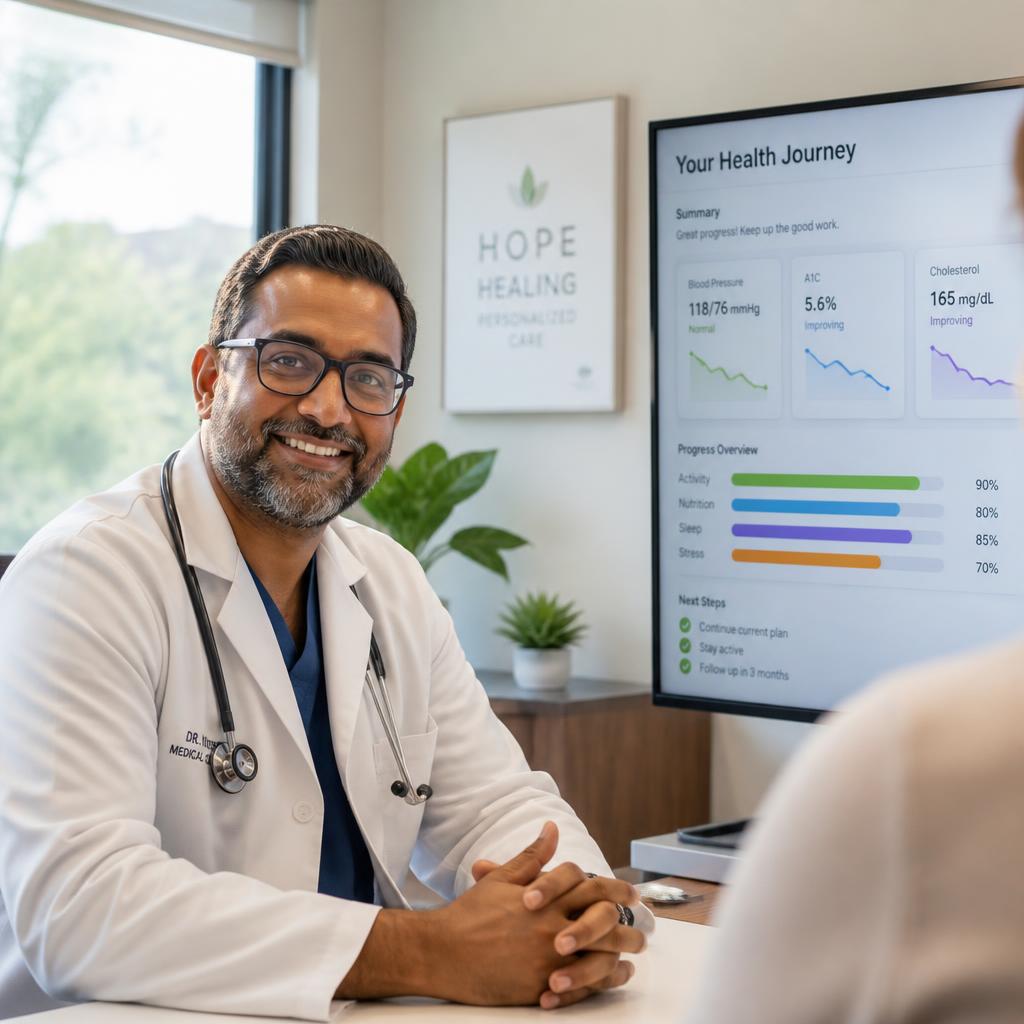
Healthcare Systems and Specialty Practices
Develop pilot studies evaluating diagnostic applications, clinical workflows, patient populations and longitudinal monitoring strategies.
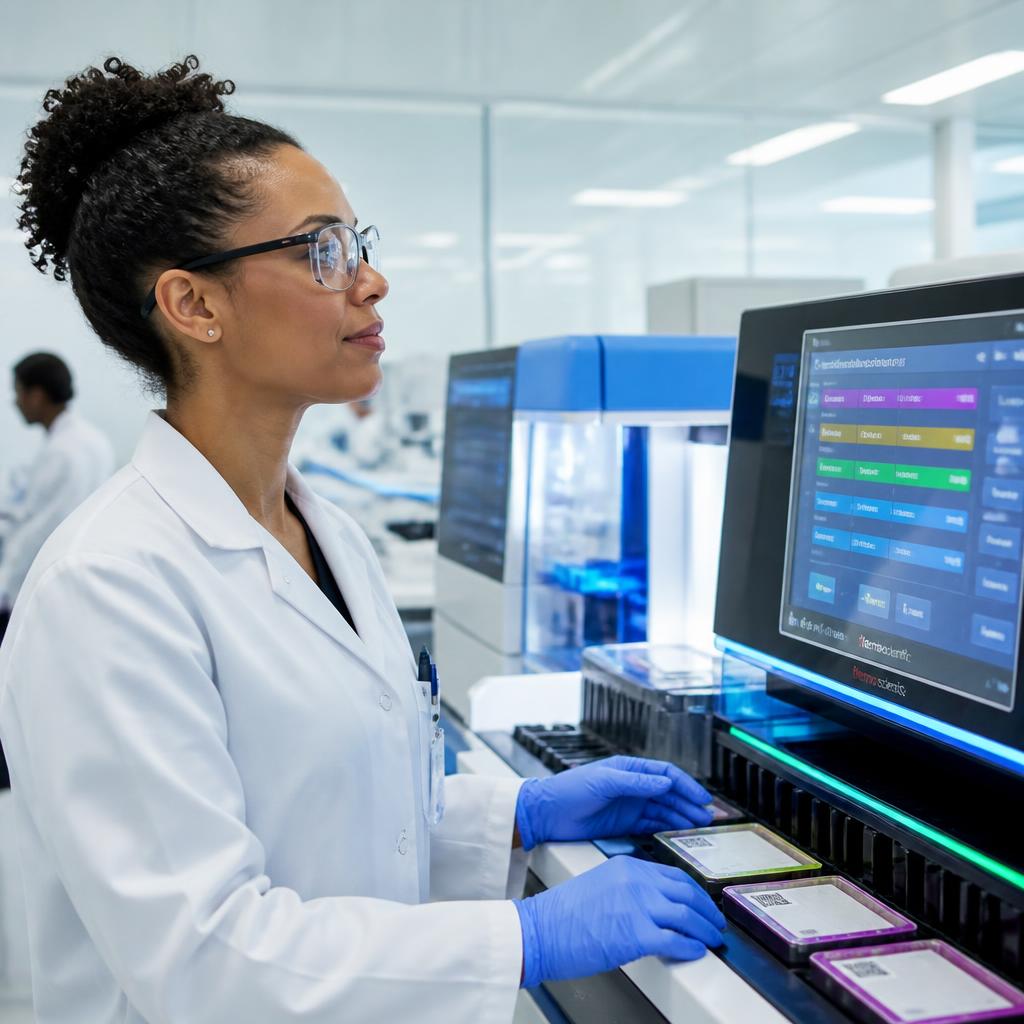
Diagnostic and Laboratory Companies
Explore assay development, specialized testing, platform integration, licensing and complementary laboratory capabilities.

Infusion, Transplant and Cell-Therapy Developers
Investigate biomarkers that may support patient selection, biological monitoring, treatment-response research and long-term follow-up.
Flexible Models Built Around the Scientific Question
Every collaboration begins with a defined biological, clinical or development question. Kihealth Labs then aligns the appropriate laboratory, study-design and analytical capabilities around the partner’s objectives, available samples and stage of development.
Biomarker Discovery and Validation
Evaluate emerging biomarkers and build analytical and clinical evidence around their potential applications.
Retrospective Biobank Studies
Analyze banked specimens and associated clinical data to investigate biological signals in completed studies or defined patient cohorts.
Prospective Observational Studies
Generate longitudinal evidence by evaluating molecular and clinical measurements in actively followed populations.
Interventional-Trial Biomarker Studies
Investigate biomarker behavior before, during and after therapeutic intervention within appropriately designed studies.
Patient Identification and Stratification
Explore molecular and clinical characteristics that may help define relevant research populations or biological subgroups.
Treatment-Response Monitoring
Study longitudinal changes in molecular signals alongside established clinical measures and therapeutic interventions.
Diagnostic Co-Development
Collaborate on assay development, validation strategy, evidence generation and potential diagnostic applications.
Pilot and Feasibility Studies
Conduct focused early-stage studies to evaluate scientific rationale, operational feasibility and next-step development requirements.
Specialized Laboratory Services
Provide high-complexity biospecimen processing, molecular testing, assay execution and quality-controlled laboratory workflows.
Data and Analytical Collaborations
Integrate molecular, clinical and longitudinal information to support multimarker analysis, pattern identification and model development.
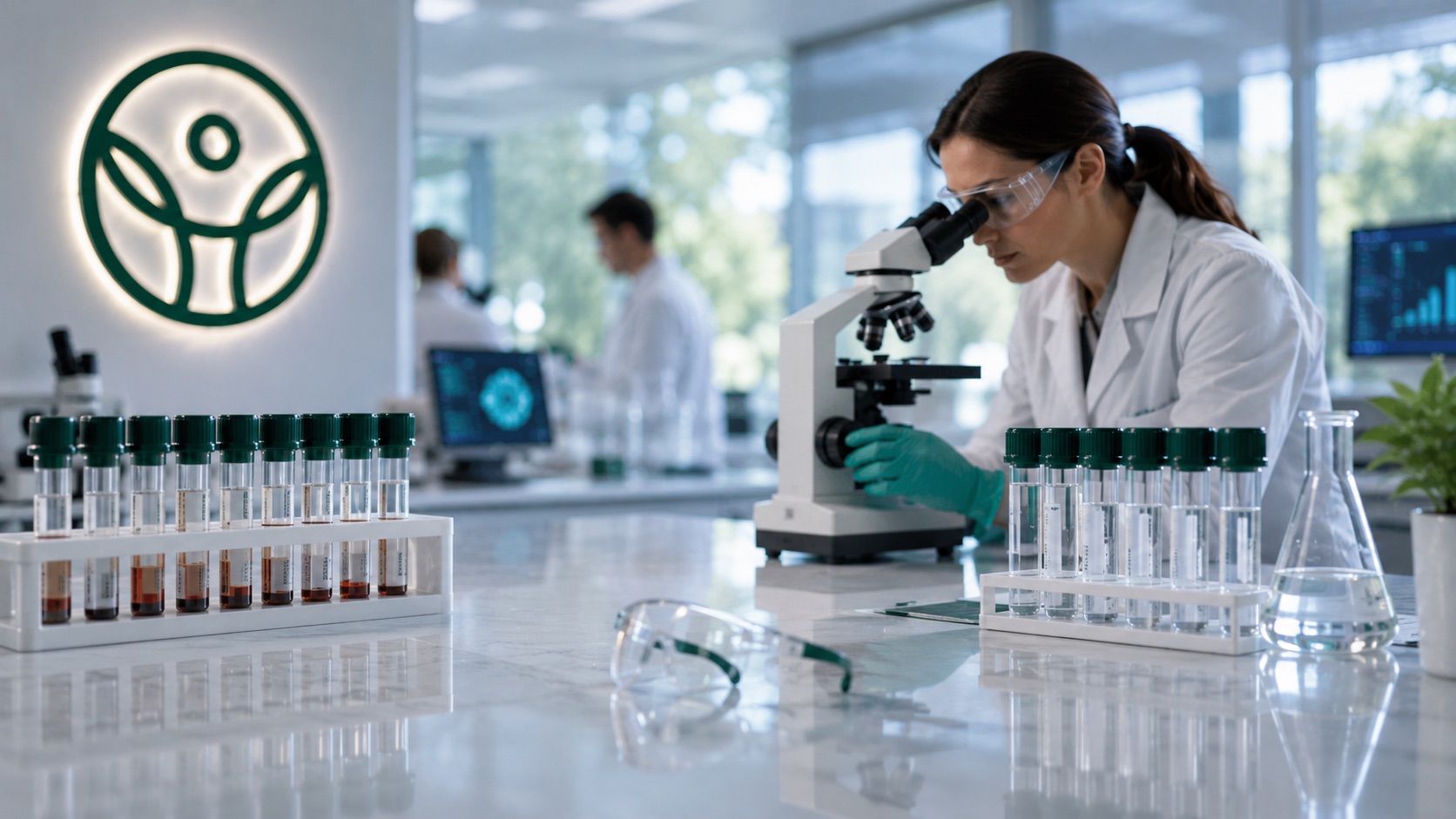
Connecting Active Disease Biology to Drug Development
Kihealth Labs collaborates with therapeutic developers to investigate how molecular signals of active disease biology may support clinical research, patient stratification and treatment-response evaluation. Our integrated laboratory and analytical capabilities can be incorporated across multiple stages of a development program.
Patient Selection and Stratification
Evaluate molecular and clinical characteristics that may help define relevant study populations, biological subgroups or eligibility strategies.
Pharmacodynamic and Response Biomarkers
Investigate whether molecular changes occur in association with therapeutic exposure, biological activity or treatment response.
Clinical-Trial Endpoints
Explore biomarker-based measures that may complement established clinical endpoints within appropriately designed and validated studies.
Beta-Cell-Preservation Studies
Evaluate beta-cell-associated INS cfDNA alongside C-peptide, A1c, autoantibodies and other measures in studies intended to preserve beta-cell health or function.
Longitudinal Biological Monitoring
Use repeated molecular and clinical measurements to characterize changes in disease biology before, during and after intervention.
Companion or Complementary Diagnostic Research
Support early research into diagnostic approaches that may help identify appropriate populations, characterize biological response or complement a therapeutic-development strategy.
Kihealth can engage at a single stage or across the broader development pathway, depending on the scientific question, study design, available samples and evidence requirements.
A Molecular View of Beta-Cell Response
For metabolic and autoimmune programs, Beta Intercept is designed to investigate active beta-cell injury alongside established measures of glycemic exposure, autoimmune activity and remaining insulin production. This may provide a complementary research perspective for beta-cell-preservation and treatment-response studies.
Priority Programs for Scientific Collaboration
Kihealth Labs is seeking collaborators with relevant patient populations, banked specimens, longitudinal data, therapeutic programs and clinical-development expertise. Opportunities range from active clinical studies to planned and exploratory research programs.
Beta Intercept T1D Studies
Evaluate beta-cell-associated INS cfDNA across pediatric and youth type 1 diabetes, including disease onset, autoantibody context, C-peptide relationships and longitudinal beta-cell injury.
- Pediatric T1D cohorts
- Longitudinal specimens
- Autoantibody and C-peptide data
- Academic and clinical-study partners
Beta Intercept T2D and Metabolic Studies
Investigate beta-cell injury across metabolic dysfunction, prediabetes and type 2 diabetes in relation to A1c, C-peptide, insulin resistance and disease progression.
- Adult metabolic cohorts
- Longitudinal clinical data
- Prediabetes and T2D specimens
- Healthcare and research partners
Banked-Sample and Completed-Trial Analyses
Use archived specimens from completed observational or interventional studies to evaluate molecular signals against established outcomes and longitudinal clinical data.
- Repeated-sampling collections
- Completed-trial specimens
- Well-annotated biobanks
- Relevant clinical endpoints
Beta-Cell-Preservation Interventions
Study beta-cell-associated INS cfDNA in interventions intended to preserve beta-cell health, reduce injury or maintain insulin-producing capacity.
- Interventional-study partners
- Beta-cell-preservation programs
- C-peptide and metabolic endpoints
- Pre- and post-treatment specimens
Therapeutic-Response Research
Investigate whether longitudinal changes in molecular signals may complement established measures of biological activity and treatment response.
- Pharmaceutical and biotechnology partners
- Longitudinal treatment cohorts
- Pharmacodynamic datasets
- Serial biospecimens
Expansion Into Additional Disease Areas
Evaluate how Kihealth's cfDNA, methylation and analytical capabilities may extend into additional areas of tissue injury, chronic disease and precision medicine.
- Strong biological hypotheses
- Tissue-associated biomarkers
- Clinically characterized specimens
- Scientific co-development partners
Explore the Science Behind the Collaboration
Review Kihealth's scientific platform, research programs, validation strategy and laboratory infrastructure before beginning a partnership discussion.
Science
Explore the biological rationale behind Beta Intercept, beta-cell-associated INS cfDNA and the Intercept IQ platform.
Clinical Research
Review Kihealth's research mission, current studies, clinical-development programs and collaboration framework.
Publications
Access foundational publications, validation summaries, scientific posters, presentations and white papers.
Validation Dashboard
See how Kihealth is building analytical and clinical evidence across the diagnostic-development continuum.
A trusted network of leading institutions.
Multi-center collaborations with the academic and clinical organizations defining the future of metabolic health.







Partnership Inquiry
Start a Scientific Conversation
Tell us about your organization, scientific question and available resources. Our team will review the opportunity and follow up to discuss potential fit and next steps.