
 01
01Pancreatic Dysregulation
Investigating molecular signals associated with dysfunction and biological stress within the pancreas.

Kihealth collaborates with leading academic medical centers, healthcare systems, and clinical investigators to validate next-generation molecular diagnostics for earlier disease detection, risk stratification, and precision medicine.
A promising biomarker can reveal something important about disease biology—but discovery alone is not enough. Before a molecular signal can meaningfully support research or patient care, it must be studied across relevant populations, compared with established clinical measures and evaluated over time.
Clinical research determines whether a biomarker is reproducible, biologically meaningful and capable of answering an important clinical or scientific question.
Determine what a molecular signal represents, how it relates to active disease biology and how it changes across different stages of disease.
Evaluate whether the biomarker is associated with established measures, meaningful outcomes, disease progression or treatment response.
Generate the evidence required to advance promising discoveries toward clinical validation, diagnostic development, therapeutic research and future regulatory pathways.
Stronger evidence can support earlier visibility into biological change, more precise disease classification and more informed approaches to monitoring and treatment.
Clinically validated biomarkers may provide additional information to support risk assessment, referral, follow-up and patient-management decisions.
Integrated biomarker and clinical data can deepen the understanding of disease mechanisms and generate new hypotheses for further study.
Biomarkers can support participant identification, study stratification, biological-response assessment and the development of more targeted clinical trials.
Well-validated diagnostics can help translate emerging science into scalable, reproducible and clinically responsible testing.
Better evidence leads to better questions, more informative studies and a clearer path from biological discovery to meaningful application.
Clinical research is how scientific potential becomes trusted knowledge.
When disease biology becomes measurable, researchers can design more informative studies, therapeutic developers can select and stratify participants more precisely, and physicians may gain better tools for identifying and monitoring disease. Clinical research is what turns that potential into credible evidence.
Among people diagnosed with diabetes during a large Danish screening program, screening and earlier treatment were associated with a 21% reduction in all-cause mortality and a 16% reduction in cardiovascular events.
Detecting metabolic disease earlier can create an opportunity to intervene before cardiovascular and other irreversible complications develop.
ADDITION-Denmark controlled study
Alzheimer’s-related biological changes can begin 10 to 20 years before clinical symptoms lead to a diagnosis. During that time, neuronal injury and disease progression may already be occurring.
Neurodegenerative disease does not begin when symptoms appear. Better biomarkers could move detection into the years when more function remains, patients may have greater access to early-stage treatments, and researchers have a better opportunity to intervene before irreversible neurological damage accumulates.
Alzheimer’s disease progression literature
Prevention and screening accounted for an estimated 4.75 million deaths averted across breast, cervical, colorectal, lung and prostate cancers between 1975 and 2020—approximately 80% of the deaths averted in the analysis.
Earlier detection and prevention can change cancer outcomes at population scale, often before advanced treatment becomes necessary.
National Cancer Institute
Biomarkers can support participant selection, trial enrichment, dose selection, safety assessment and measurement of therapeutic response—helping create more focused studies and reducing uncertainty in drug development.
The FDA states that properly used biomarkers may enable leaner, more focused clinical trials and potentially reduce development time and cost while maintaining patient protections.FDA Biomarker Qualification Program
Likelihood of a development program reaching approval
BIO/Informa/QLS, 2011–2020 development programs
Observed rate of advancing to the next phase
BIO/Informa/QLS, 2011–2020 development programs
Better clinical evidence can strengthen diagnostic development, improve therapeutic research and help move healthcare toward earlier, more biologically informed intervention.
Statistics describe broader healthcare and drug-development trends and do not represent outcomes achieved by Kihealth products or research programs.

Kihealth Labs conducts clinical research to determine how emerging biomarkers can reveal active disease biology, identify risk earlier and improve the development of diagnostics and precision therapeutics.
Our objective is not simply to identify biomarkers, but to establish when, where and how they can meaningfully support research and clinical decision-making.
Surface molecular signals that reflect ongoing pathological processes before they manifest clinically.
Recognize the window where intervention can still alter the disease trajectory and preserve function.
Segment populations by biological subtype and risk to enable more targeted, efficient study design.
Follow longitudinal biomarker trajectories to reveal disease progression and response dynamics.
Quantify whether and how rapidly a therapeutic is altering the underlying biology, not just symptoms.
Our research examines the biological processes underlying metabolic disease—from organ-level dysfunction and cellular injury to systemic metabolic change, disease progression and therapeutic response.
01Investigating molecular signals associated with dysfunction and biological stress within the pancreas.
 02
02Studying biomarkers associated with the injury and loss of insulin-producing pancreatic beta cells.
 03
03Evaluating the capacity of remaining beta cells to produce and release insulin in response to metabolic demand.
 04
04Examining the interconnected roles of the pancreas, liver, skeletal muscle, adipose tissue and circulating metabolic signals.
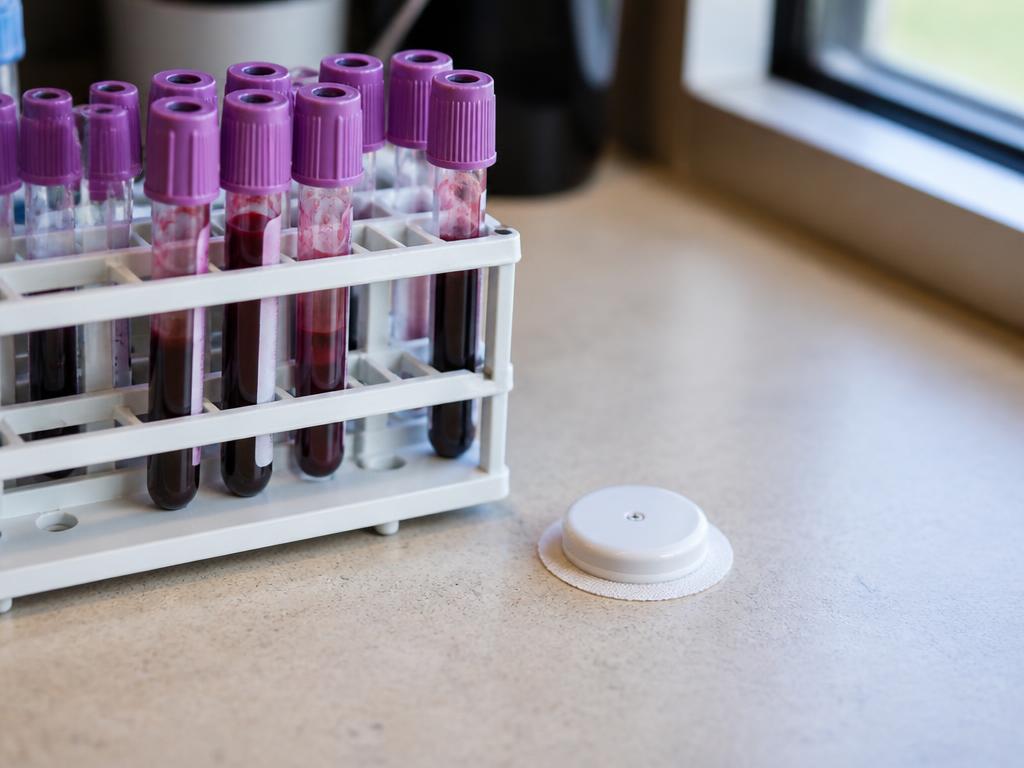 05
05Studying how effectively the body responds to insulin and how impaired signaling contributes to metabolic dysfunction.
 06
06Using longitudinal biomarkers to understand how biological dysfunction changes before and during the development of overt disease.
 07
07Evaluating whether an intervention produces a measurable change in the underlying biology—not only in downstream clinical measurements.
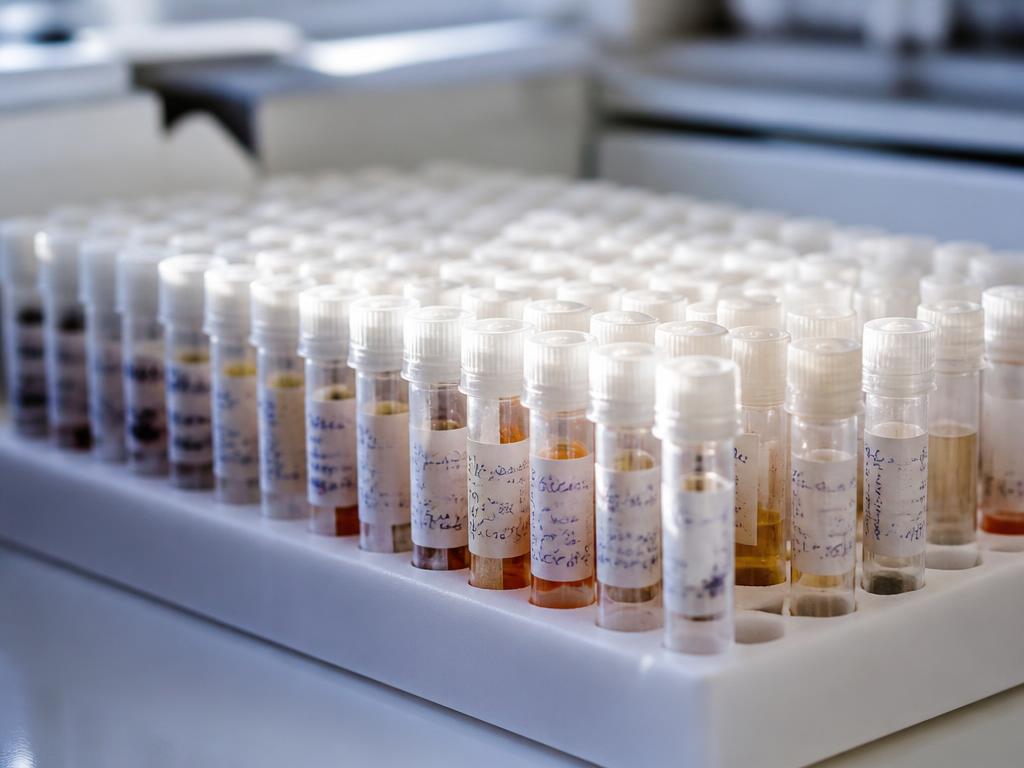 08
08Investigating whether integrated biomarker patterns can identify distinct biological profiles, risk levels or potential response groups.
Together, these research areas provide a multidimensional view of metabolic health—from cellular injury to whole-body function and longitudinal change.
Research capabilities and biomarker applications vary by program. Certain assays and applications remain under development or are available for research use only.
Our research spans the full spectrum of metabolic and oncologic disease biology, from molecular discovery through longitudinal clinical monitoring.


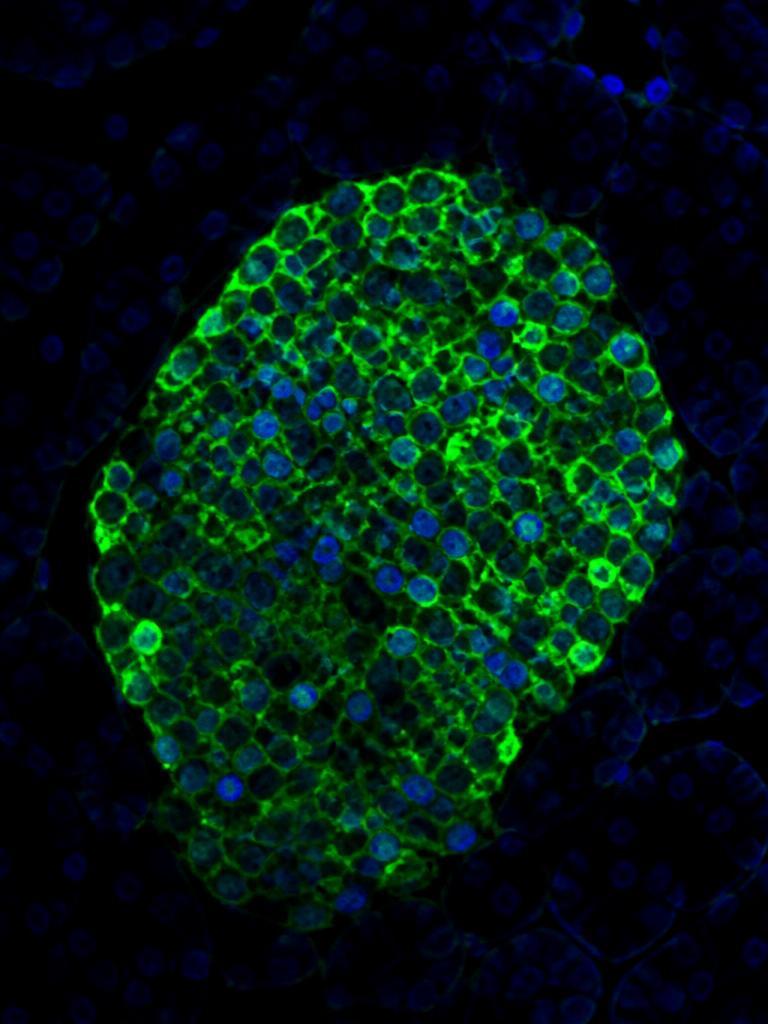






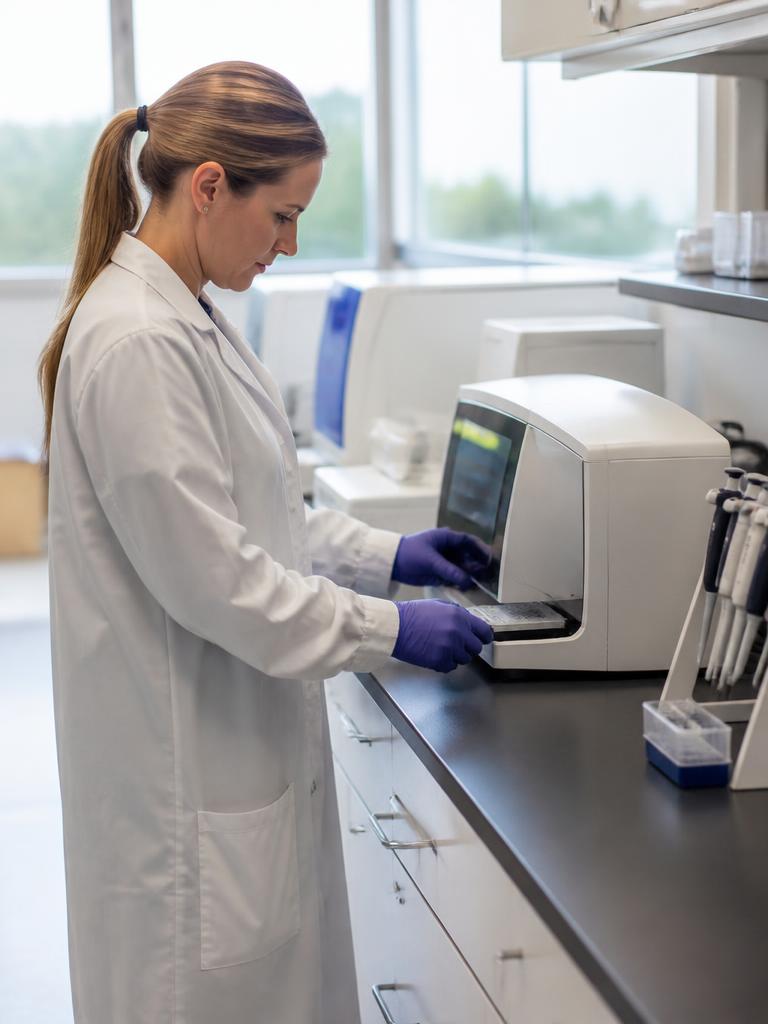
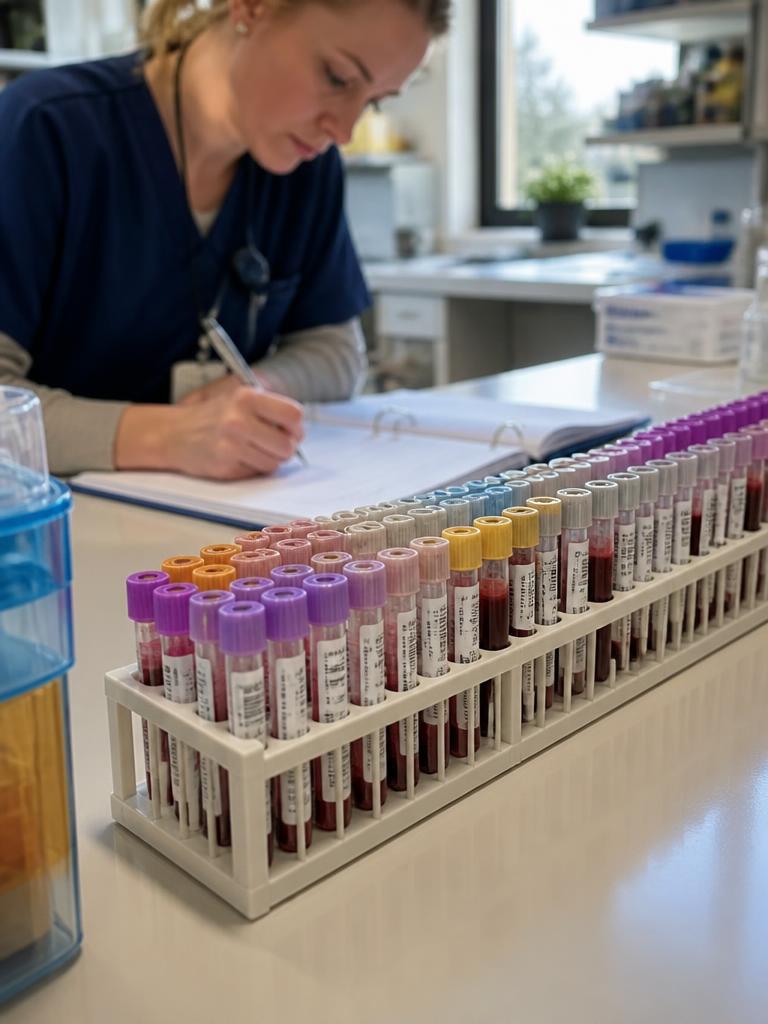

Twelve scientific frontiers, one molecular foundation — every program connects back to the same blood-based signals and the same commitment to earlier, more precise intervention.
Kihealth Labs' study portfolio spans early feasibility work, prospective analytical and clinical validation, and longitudinal cohorts designed to generate durable clinical evidence.
To characterize beta-cell death following Stage 3 T1D onset in pediatric patients and evaluate its relationship to residual beta-cell function and disease progression.
Establish the analytical performance and clinical validity of the Beta Intercept™ blood-based beta cell health assay across diverse patient populations and clinical contexts.
Evaluate whether serial molecular biomarker monitoring can detect metabolic disease progression earlier than traditional glycemic and lipid markers.
Assess the feasibility of a blood-based liquid biopsy approach for early detection signal in individuals under active pancreatic surveillance.
Determine whether beta-cell cfDNA identifies progressive beta-cell injury across Stages 1–3 T1D.
Evaluate whether beta-cell cfDNA predicts T1D progression in genetically at-risk children.
Validate the Beta Intercept™ assay in participants with early or recently diagnosed T1D stages 1, 2, and 3.
Identify a blood-based multiomic signature that distinguishes pancreatic cancer from new-onset diabetes and high-risk controls.
Establish fit-for-purpose biospecimen cohorts for assay development and analytical validation.
Evaluate the feasibility of using residual clinical samples for biomarker research and assay validation.
Confirm beta-cell cfDNA elevation in patients with newly diagnosed Stage 3 T1D.
Kihealth Labs works with academic institutions, healthcare organizations and therapeutic developers through research models tailored to each program’s scientific objectives, available samples and stage of development.
Joint studies with university and academic medical center investigators to explore biomarker biology and disease mechanisms.
Analysis of existing, well-characterized sample cohorts to validate biomarker performance against known clinical outcomes.
Longitudinal studies tracking biomarker change over time in at-risk populations ahead of overt disease.
Biomarker endpoints embedded within therapeutic trials to measure biological response to an intervention.
Diagnostic development partnerships supporting drug development, patient stratification and treatment response.
Targeted pilots with health systems and industry partners to evaluate feasibility and clinical utility in real-world settings.
Each engagement is scoped around sample availability, endpoints and regulatory pathway. Partnership structures are outlined in detail on our partnerships page.
Explore Research Partnerships
Method and clinical rationale for quantifying beta-cell death from a single blood draw using multiplex droplet digital PCR.

Consolidated summary of analytical and clinical performance data supporting the Beta Intercept™ assay.
Comparative analysis of unmethylated INS cfDNA dynamics in relation to teplizumab immunotherapy in at-risk individuals.

Circulating cell-free DNA quantified with Kihealth's ddPCR methylation assay in samples from islet infusion recipients.
Review of the published evidence base establishing liquid-biopsy detection of tissue-specific cell death.
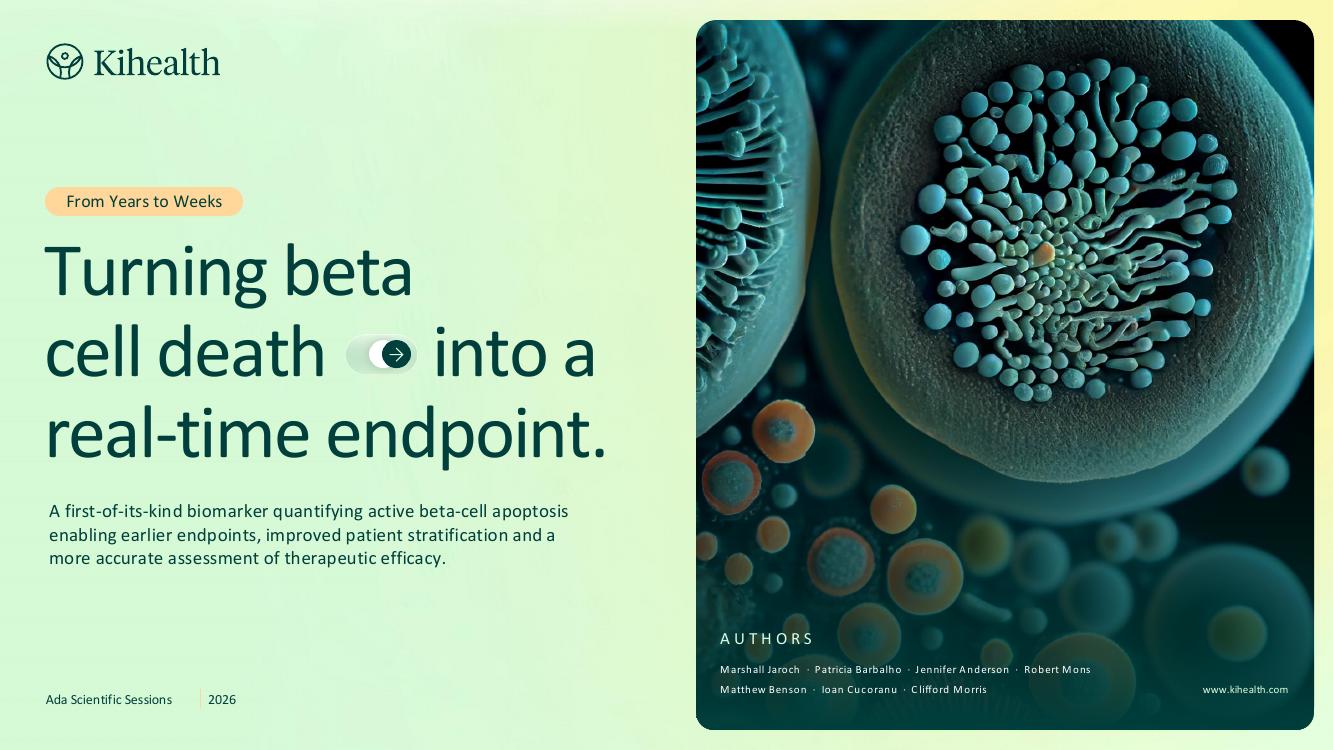
Turning beta-cell death into a real-time endpoint: the award program presentation on a first-of-its-kind biomarker quantifying active beta-cell apoptosis for earlier endpoints, improved patient stratification and more accurate assessment of therapeutic efficacy.
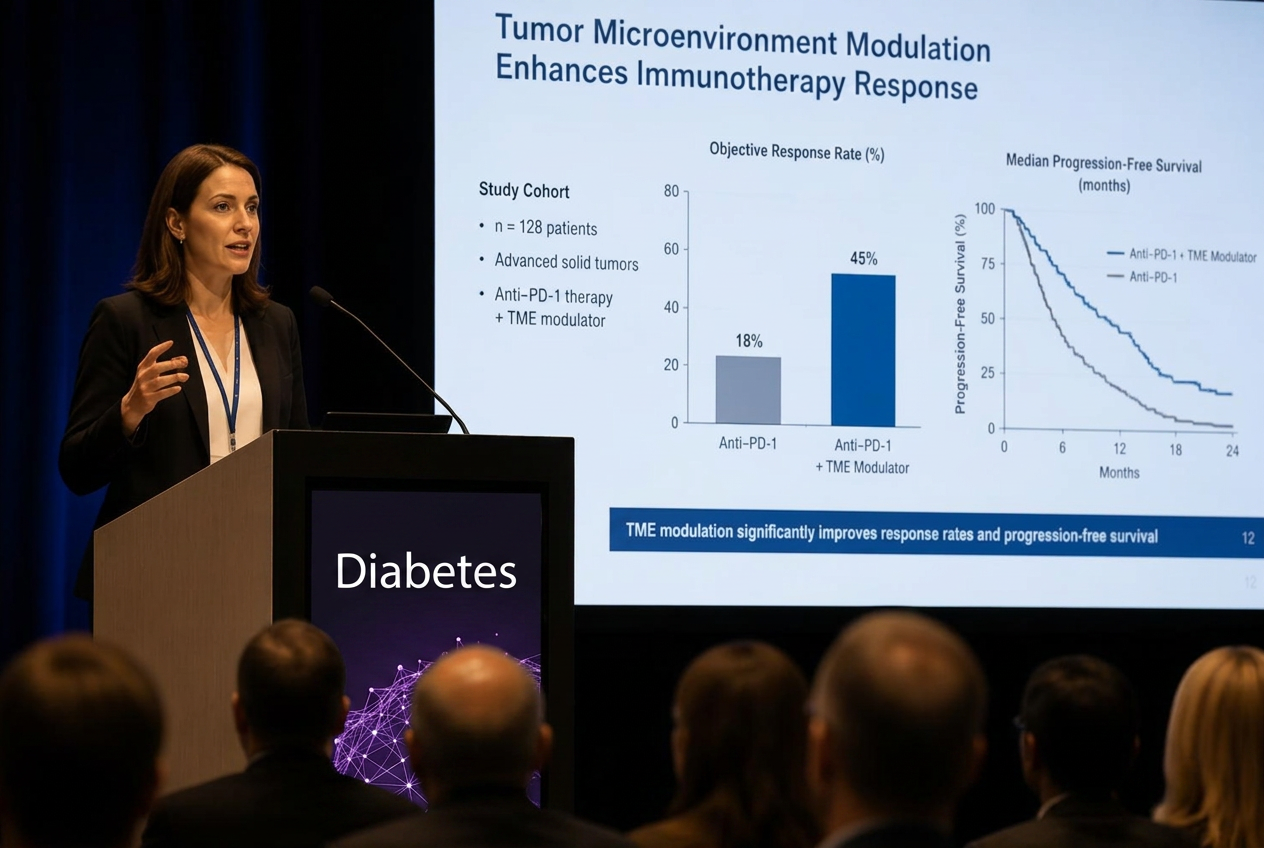
Latest clinical poster presented at the American Diabetes Association 2026 scientific sessions, showcasing Kihealth's most recent data on beta-cell death biomarkers and their application to early detection and therapeutic monitoring in type 1 diabetes.
Our research is conducted in partnership with the institutions that see patients, run laboratories, and shape clinical practice — each contributing a distinct capability to the evidence base.

Investigator-led studies with access to deeply phenotyped patient cohorts.


Pediatric endocrinology programs following at-risk and newly diagnosed patients.

Real-world feasibility and clinical-utility pilots inside routine care pathways.


Protocol execution, consent and standardized longitudinal sample collection.


Cross-site assay comparability, proficiency testing and method transfer.


Therapeutic developers embedding biomarker endpoints into trial designs.


Kihealth Labs is committed to conducting and supporting research with appropriate scientific oversight, participant protections, data stewardship and transparent communication of findings.
Six pillars of research governance framework the operational, ethical, and scientific standards upheld across every Kihealth Labs program.
Governed by institutional review · IRB oversight · CLIA-aligned laboratory practice
Research is conducted under applicable institutional and ethical-review requirements.
Participant consent requirements are defined according to the study design, institution and intended use of samples and data.
Participant information and biospecimens are handled using appropriate privacy and de-identification practices.
Research data are managed through controlled systems and program-appropriate security practices.
Testing and biospecimen workflows follow documented laboratory procedures and quality controls.
Findings are communicated with appropriate context, limitations and distinctions between research and established clinical use.
Kihealth Labs partners with investigators, healthcare systems, academic researchers, and pharmaceutical and biotechnology companies to design and execute clinical studies that meet the highest standards of scientific and regulatory rigor.