


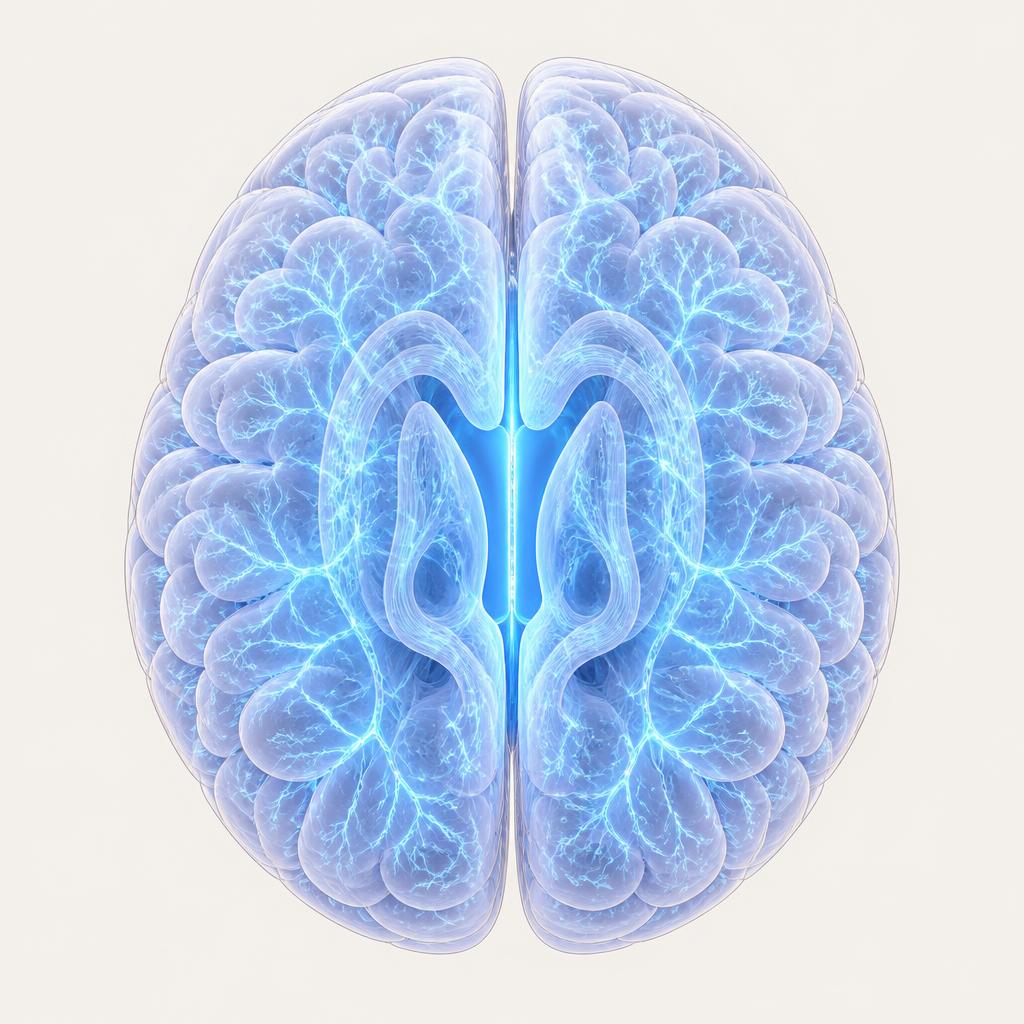
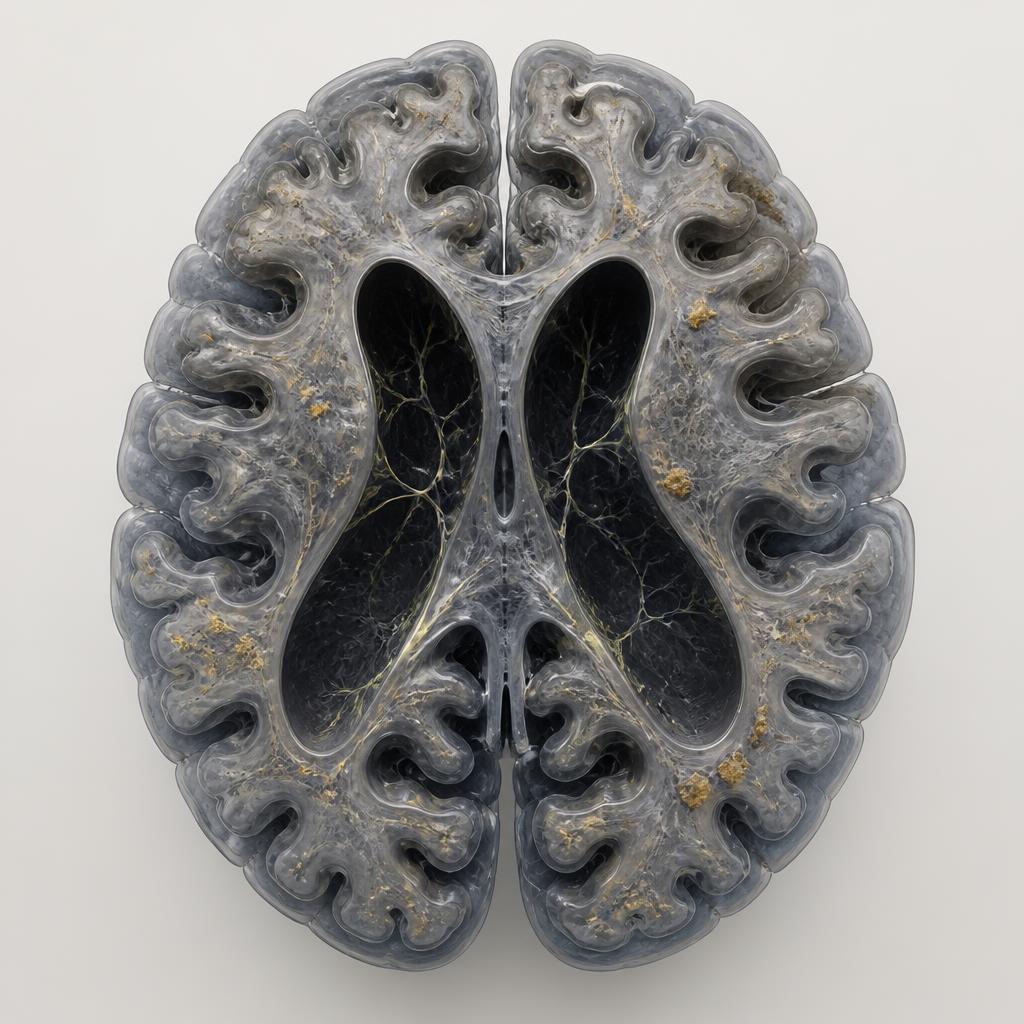
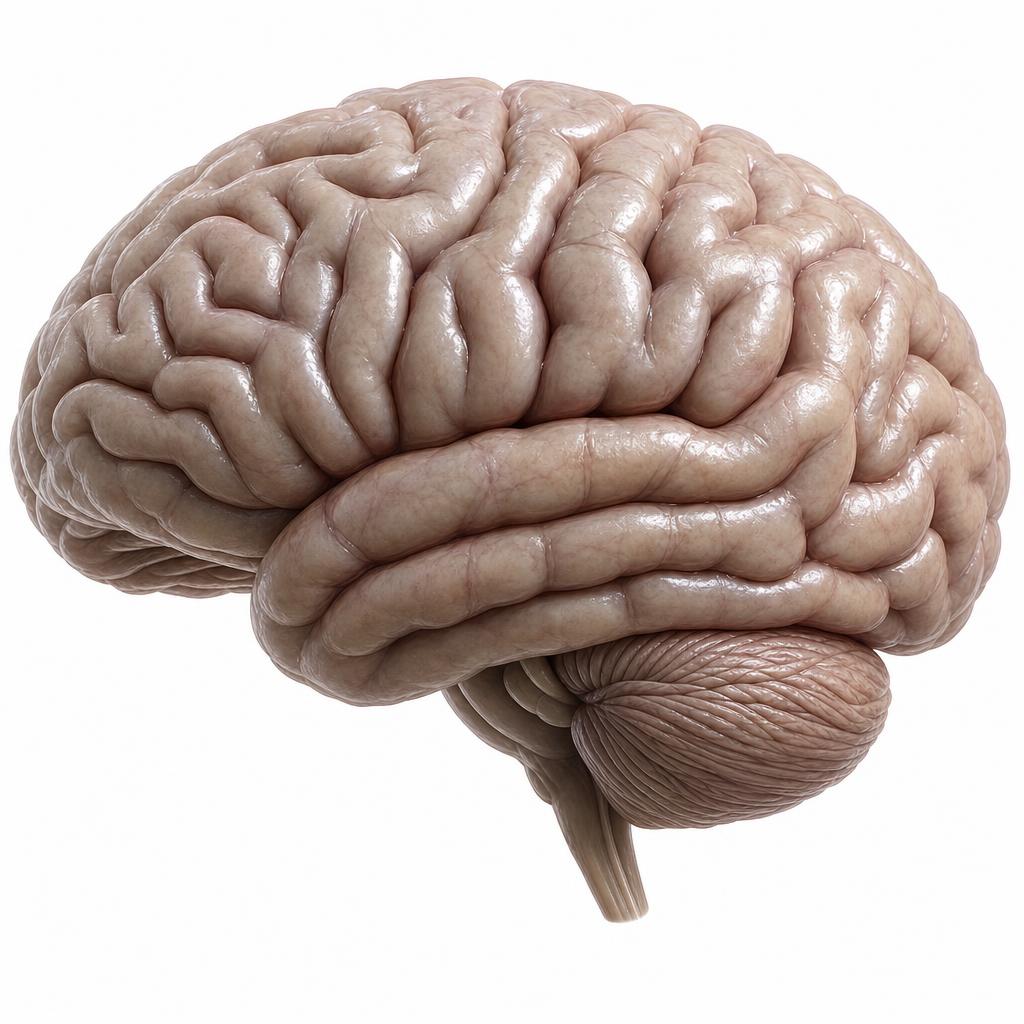
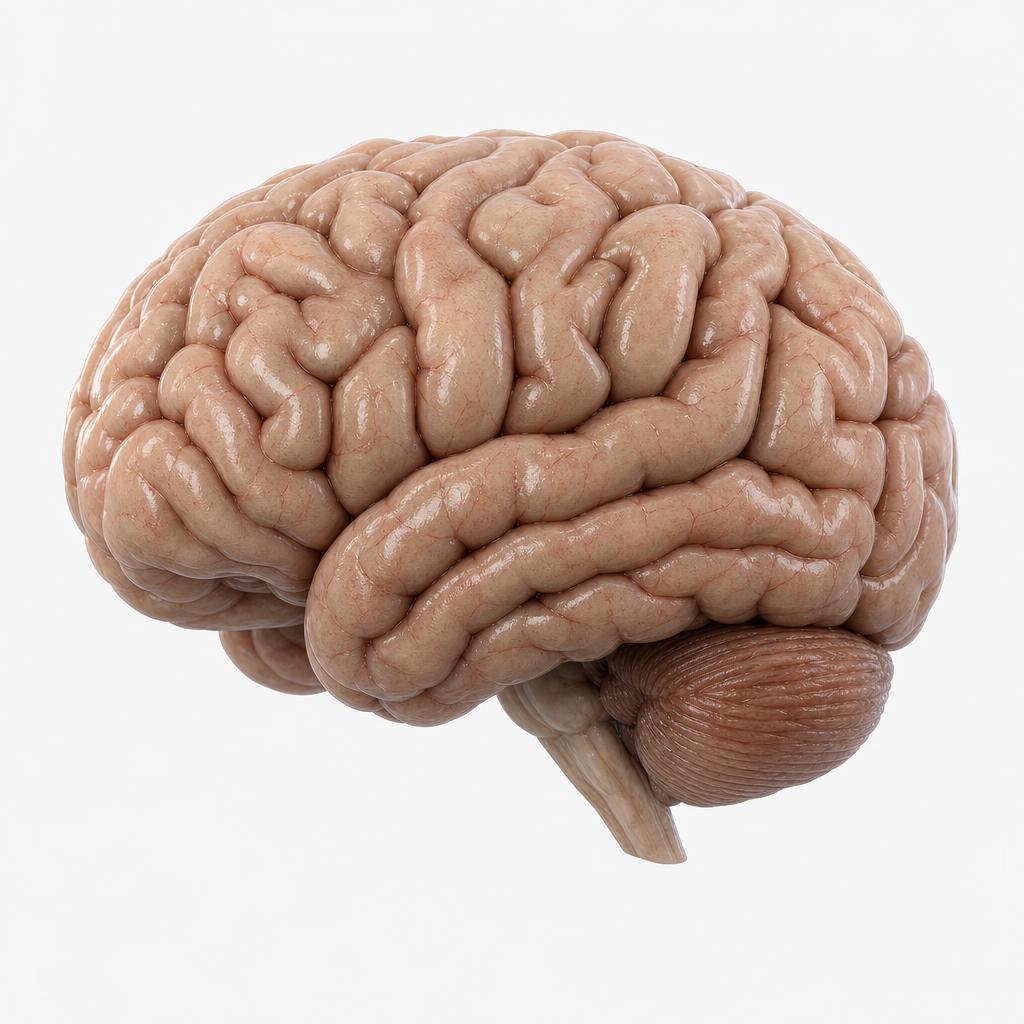


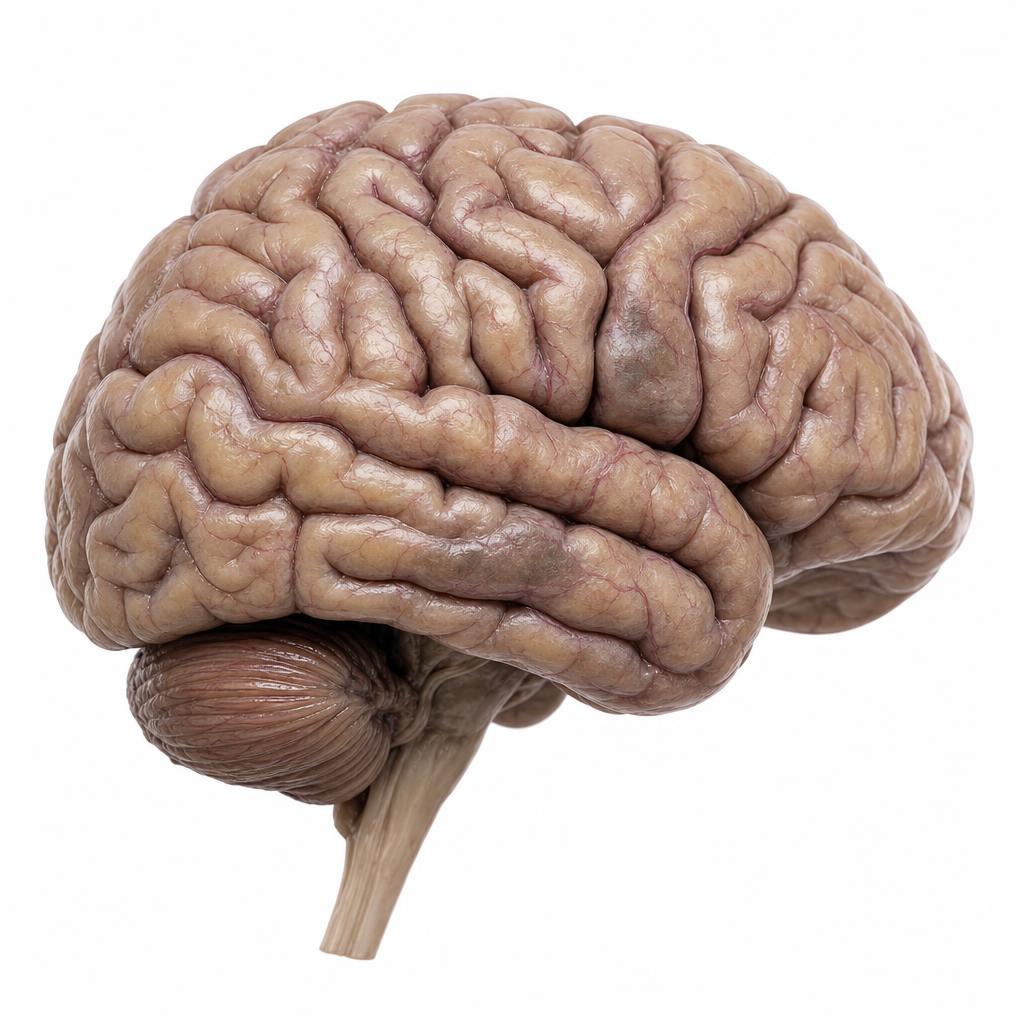
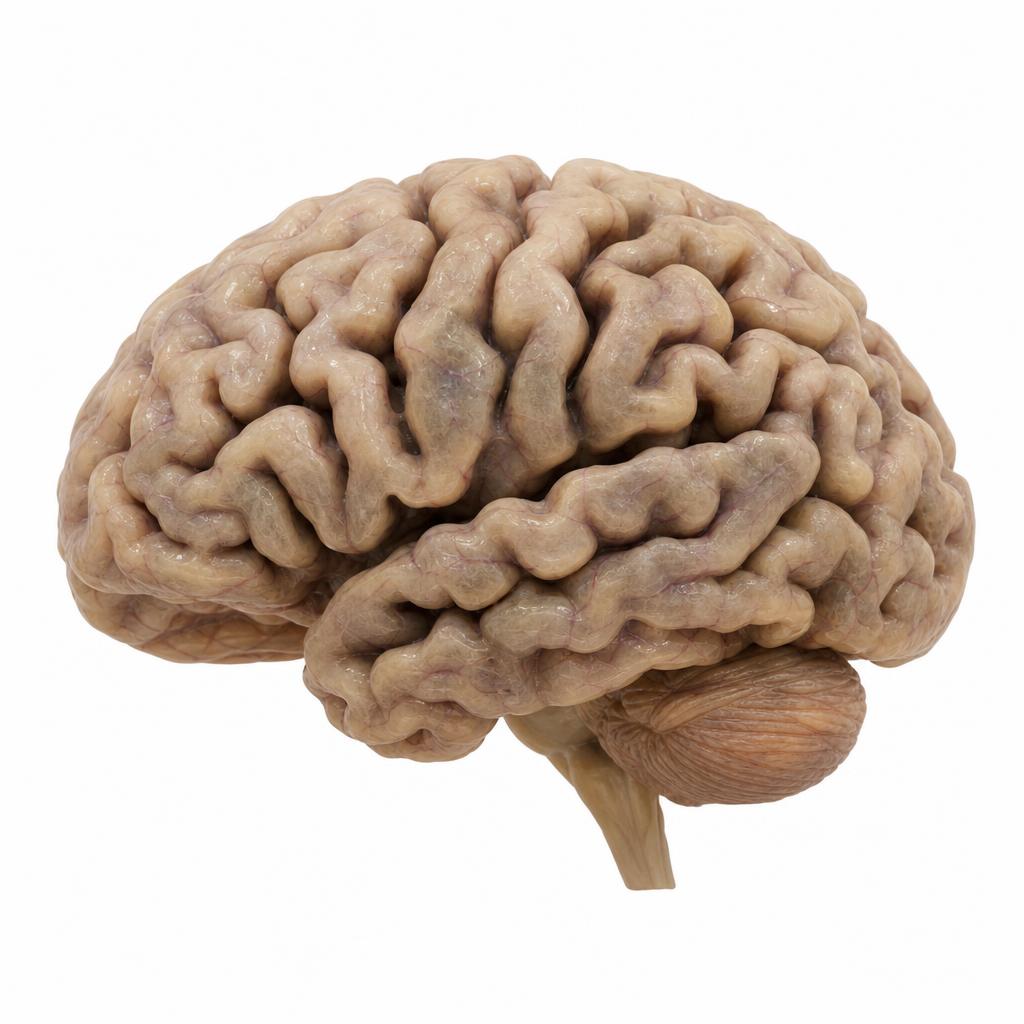
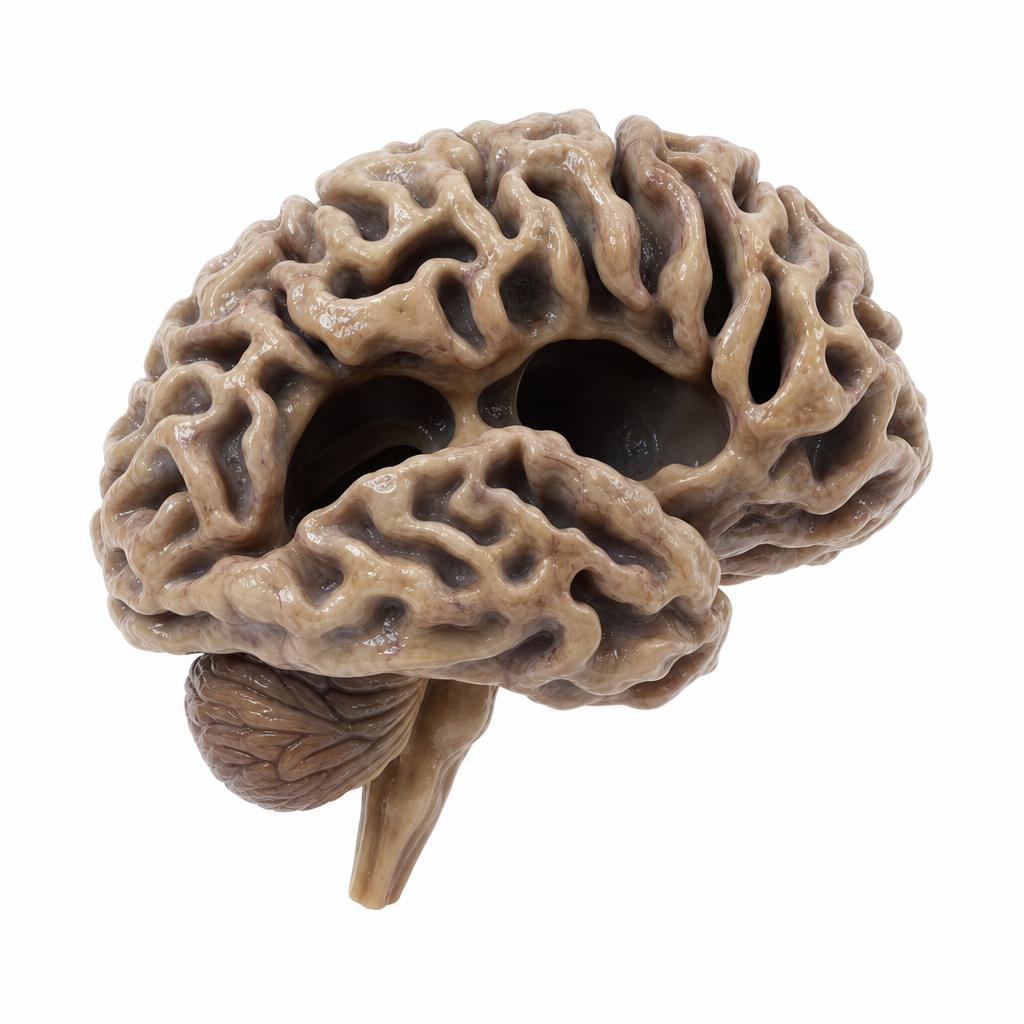
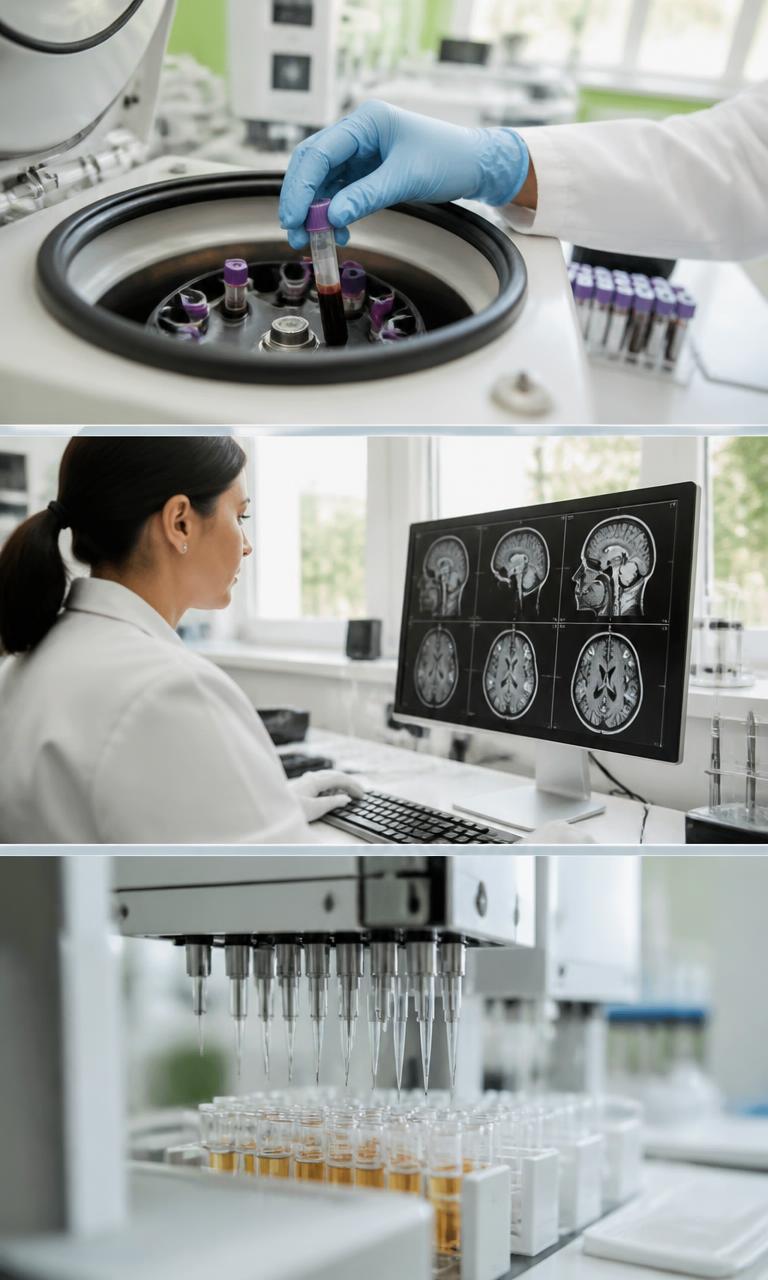

Human brain, neurons, blood collection tube, and MRI overlay in a molecular laboratory

Kihealth Labs · Precision Neurology

Neuro Intercept™

Advancing early molecular detection for neurodegenerative disease.

Neuro Intercept leverages the Intercept IQ™ platform to investigate blood-based molecular biomarkers associated with neurodegeneration, neuroinflammation, and neuronal injury. Our initial research programs are focused on Alzheimer's disease and Multiple Sclerosis, with the long-term vision of expanding into additional neurological disorders.

Blood-Based BiomarkersNeurodegenerationNeuroinflammationAlzheimer's ResearchMS Research

The Clinical Challenge

Neurodegeneration begins years before diagnosis.

Many neurological diseases begin years — even decades — before clinical diagnosis. By the time cognitive impairment or neurological symptoms become apparent, substantial neuronal injury has often already occurred.

01

Normal Brain

Healthy neuronal and glial biology.

02

Silent Molecular Changes

Subclinical shifts in protein handling, energy metabolism, and cellular stress.

03

Protein Misfolding

Aggregation of amyloid-β, tau, α-synuclein, TDP-43, and related species.

04

Neuroinflammation

Microglial and astrocytic activation amplify injury.

05

Neuronal Injury

Synaptic loss, axonal damage, and progressive cell death.

06

Functional Decline

Subtle cognitive or neurological changes emerge.

07

Clinical Symptoms

Diagnosis follows only after substantial injury.

Earlier biological insight may create opportunities for earlier intervention, improved monitoring, and more informed therapeutic development.

Blood-Based Molecular Diagnostics

From the brain to the bloodstream.

Advances in molecular technologies are enabling increasingly sensitive detection of circulating biomarkers associated with neurological disease processes.

STEP 01

Brain

STEP 02

Blood–Brain Barrier

STEP 03

Peripheral Molecular Signals

STEP 04

Blood Collection

STEP 05

Advanced Molecular Analysis

Cell-free DNA

Cell-free RNA

Neurodegeneration-associated proteins

Neuroinflammatory proteins

Extracellular vesicles

Epigenetic biomarkers

Immune signaling molecules

Interactive Neurobiology

The biology of neurodegeneration.

Step through the biology to see how molecular events unfold across years — long before clinical symptoms bring patients to medical attention.

Phase 03T − 10 yrs

Protein Aggregation

Misfolded amyloid-β, tau, α-synuclein, TDP-43, or related species begin to accumulate depending on disease.

Biological Signals

  • Amyloid-β / tau aggregation
  • α-synuclein deposition
  • Prion-like propagation
Research Program in Development

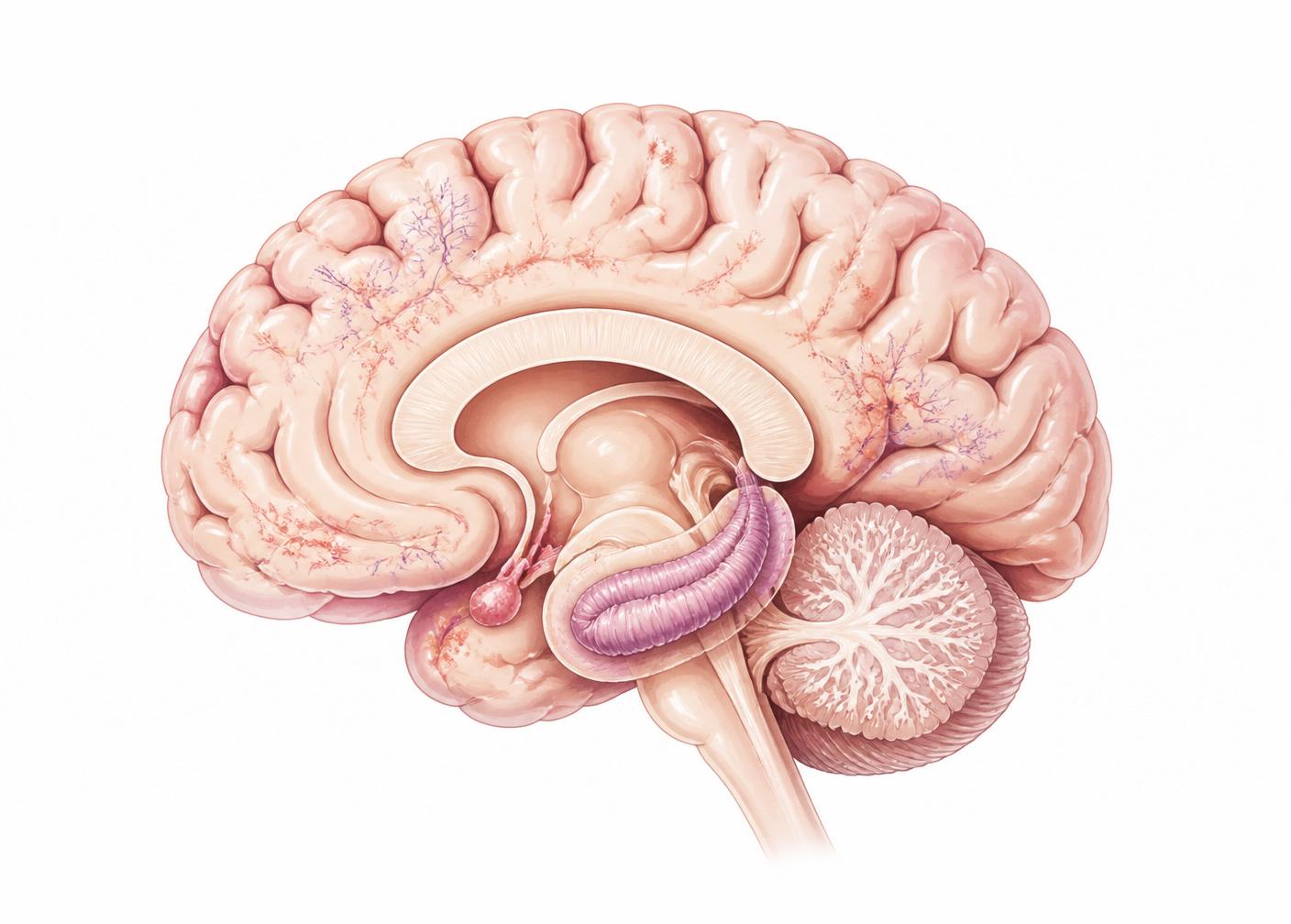
Neuro Intercept AD

Alzheimer's disease program.

Neuro Intercept AD is being developed to investigate molecular biomarkers associated with Alzheimer's disease biology.

Biological Focus

Neurodegeneration
Tau pathology
Amyloid-related biology
Neuroinflammation
Glial activation
Neuronal injury

Potential Applications

Earlier biological assessmentRisk stratificationLongitudinal monitoringClinical researchPharmaceutical trialsTherapeutic response monitoring
Anatomical brain illustration highlighting regions affected by amyloid and tau pathology
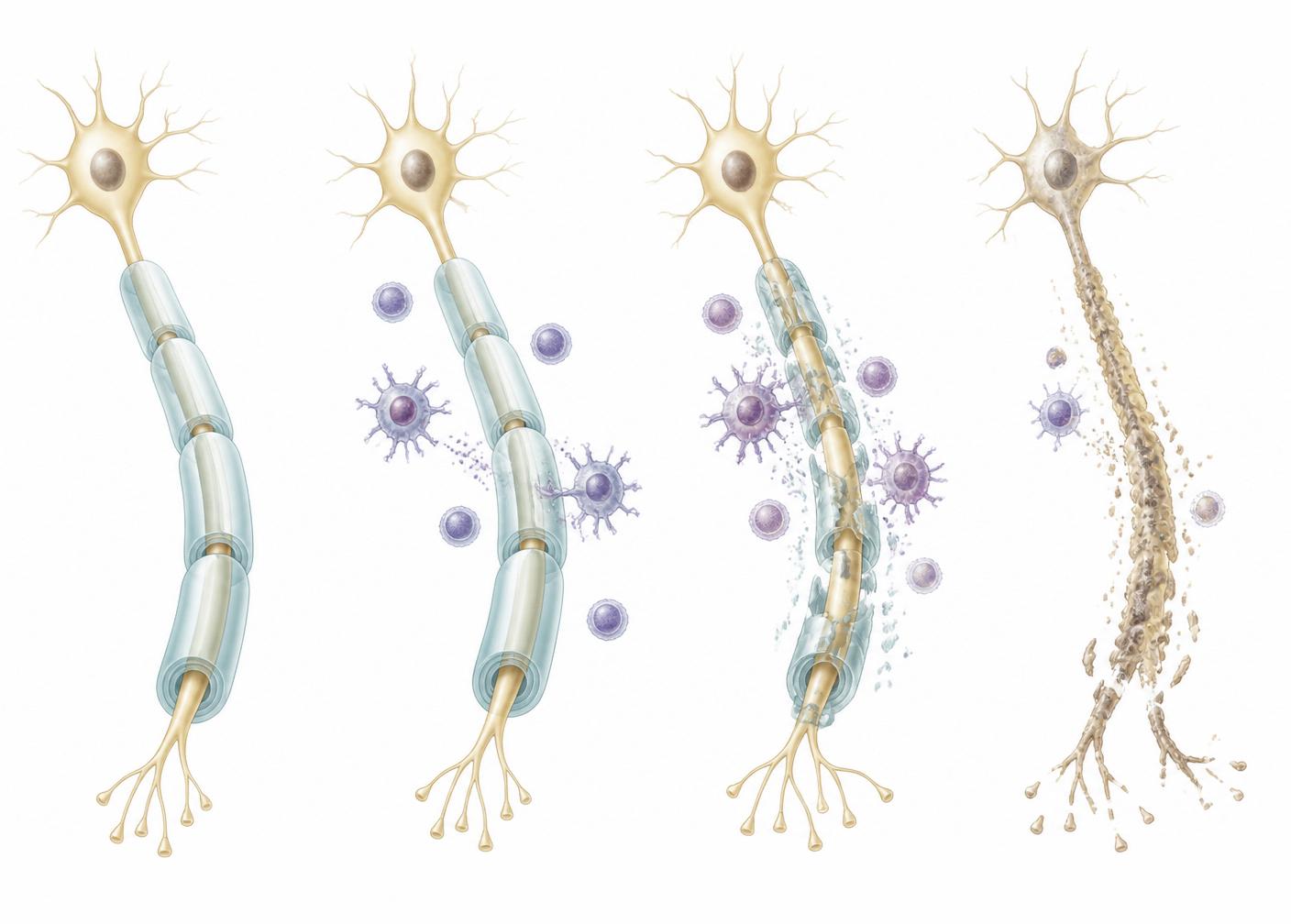
Illustration of myelin, immune activation, demyelination, and axonal injury in Multiple Sclerosis
Research Program in Development

Neuro Intercept MS

Multiple Sclerosis program.

Neuro Intercept MS is being developed to investigate molecular biomarkers associated with inflammatory and neurodegenerative processes in Multiple Sclerosis.

  1. 01

    Normal Myelin

    Intact myelin sheaths enable saltatory conduction.

  2. 02

    Immune Activation

    Autoreactive lymphocytes cross the blood–brain barrier.

  3. 03

    Demyelination

    Focal loss of myelin disrupts conduction.

  4. 04

    Axonal Injury

    Persistent inflammation drives axonal damage.

  5. 05

    Disease Progression

    Cumulative injury manifests as relapses and progression.

Potential Applications

Disease monitoringInflammatory activity assessmentTherapeutic responseLongitudinal molecular surveillanceClinical trial biomarker endpoints

The Platform

The Neuro Intercept™ workflow.

Neuro Intercept integrates multiple orthogonal biomarker classes rather than relying on a single analyte.

STEP 01

Blood Sample

Peripheral venipuncture — no lumbar puncture required.

STEP 02

Plasma Isolation

Controlled fractionation preserves labile analytes.

STEP 03

Cell-Free DNA

High-yield capture of circulating cfDNA fragments.

STEP 04

Proteomics

Neurodegeneration- and inflammation-associated proteins.

STEP 05

Epigenetic Analysis

Tissue-specific methylation signatures.

STEP 06

Inflammatory Biomarkers

Cytokines and immune signaling molecules.

STEP 07

AI Integration

Multi-omic classifiers built on Intercept IQ™.

STEP 08

Molecular Risk Profile

Integrated risk profile across biomarker classes.

STEP 09

Clinical Interpretation

Interpretive research output for downstream use.

Multi-Omic Molecular Intelligence

Neurological disease is a network problem.

Neurological diseases arise from complex biological networks that benefit from integrated multi-omic analysis rather than isolated measurements.

Central Model

Neurodegenerative Biology

Genomics

Epigenomics

Proteomics

Inflammatory Biology

Clinical Data

Longitudinal Monitoring

Artificial Intelligence

Systems Biology

Orthogonal signals, one model

Genomic, epigenomic, proteomic, and inflammatory data capture complementary aspects of neurodegeneration.

Longitudinal by design

Serial molecular measurements convert isolated data points into a dynamic view of disease biology.

Systems- and AI-native

Machine learning identifies multidimensional biomarker signatures no single analyte can reveal.

Artificial Intelligence

Transforming complex molecular data into actionable biological insights.

The Intercept IQ™ platform applies machine learning to convert high-dimensional multi-omic signals into interpretable research outputs.

  • Identify multidimensional biomarker signatures
  • Detect subtle biological patterns
  • Integrate longitudinal patient data
  • Support molecular risk classification
  • Continuously refine predictive algorithms as clinical data accrue

Analytical Pipeline

  1. 01Raw Molecular Data
  2. 02Quality Control
  3. 03Machine Learning
  4. 04Pattern Recognition
  5. 05Risk Assessment
  6. 06Clinical Research Output

Intended Research Applications

Where Neuro Intercept™ can contribute.

Neuro Intercept is being developed to support molecular research across neurodegenerative and neuroinflammatory disease areas — from early biology to therapeutic response monitoring.

Alzheimer's Disease

  • Early biological assessment
  • Longitudinal monitoring
  • Clinical trials
  • Therapeutic response
  • Pharmaceutical partnerships

Multiple Sclerosis

  • Disease activity monitoring
  • Therapy response
  • Biomarker discovery
  • Longitudinal follow-up
  • Clinical research

Future Expansion

Future areas of exploration

  • Parkinson's disease
  • Amyotrophic lateral sclerosis (ALS)
  • Frontotemporal dementia
  • Lewy body dementia
  • Huntington's disease
  • Traumatic brain injury

Scientific Development Strategy

A rigorous, phased path from discovery to translation.

Neuro Intercept™ is being developed through a disciplined pipeline aligned to clinical and regulatory standards for neurology diagnostics.

01

Discovery

Cohort design and biomarker candidate discovery.

02

Biomarker Identification

Prioritization of proprietary molecular signatures.

03

Analytical Validation

Precision, accuracy, LoD, and reproducibility studies.

04

Clinical Validation

Case-control and prospective studies in intended-use populations.

05

Research Collaborations

Academic, clinical, and pharmaceutical partnerships.

06

Regulatory Strategy

IDE / LDT / IVD pathway aligned to intended use.

07

Commercial Translation

Kihealth CLIA laboratory deployment and clinical availability.

Current Focus

Identification and validation of novel molecular biomarker signatures associated with neurodegenerative disease, and their integration into the Intercept IQ™ multi-omic classifier.

Powered by Intercept IQ™

One platform, multiple neurological programs.

Neuro Intercept™ is one application of the broader Intercept IQ™ platform — a shared multi-omic architecture that supports Beta Intercept™, Onco Intercept™, and future programs.

LAYER 01

Intercept IQ™

Underlying multi-omic molecular intelligence platform.

LAYER 02

Multi-Omic Analysis

Integrated genomic, epigenomic, and proteomic signals.

LAYER 03

AI Integration

Machine learning classifiers on high-dimensional data.

LAYER 04

Disease Biology

Modeled against neurodegenerative disease processes.

LAYER 05

Neuro Intercept™

Neurology-focused application of the platform.

LAYER 06

Research Applications

Biomarker discovery, monitoring, and trial support.

LAYER 07

Future Clinical Translation

Path toward validated clinical use.

Neurologist consulting with an older patient in a bright modern clinic

The Future of Neurodegenerative Diagnostics

Earlier molecular insight. Better clinical decisions.

Neuro Intercept represents Kihealth's neurodegenerative disease research initiative built on the Intercept IQ™ platform. By combining liquid biopsy technologies, multi-omic biomarker discovery, advanced computational biology, and artificial intelligence, Neuro Intercept aims to advance the development of next-generation blood-based diagnostics for Alzheimer's disease, Multiple Sclerosis, and future neurological applications.

Future Neuro Intercept™ Pipeline

A platform designed to expand.

Alzheimer's disease and Multiple Sclerosis are the first two research programs on the Neuro Intercept™ platform. Future programs are envisioned across additional neurological disorders.

Neuro Intercept™
Neurology Pipeline

Research Program

Neuro Intercept AD

Research Program

Neuro Intercept MS

Future Exploration

Neuro Intercept PD

Future Exploration

Neuro Intercept ALS

Future Exploration

Neuro Intercept FTD

Roadmap

Additional Applications

Future exploration programs are illustrative of the platform's expansion roadmap and are not currently clinically validated or commercially available.