

Kihealth Labs in partnership with Kiluma Biosciences
Onco Intercept™
Early molecular detection for pancreatic cancer.
Powered by the Intercept IQ™ platform, Onco Intercept combines liquid biopsy, cell-free DNA, epigenetic biomarkers, proteomics, and artificial intelligence to detect molecular evidence of pancreatic cancer before traditional clinical presentation.
The Clinical Need
Why pancreatic cancer?
Pancreatic cancer remains one of the deadliest cancers because it is usually diagnosed after curative treatment is no longer possible.

3rd
leading cause of cancer death in the United States
Ranked by annual mortality
<10%
five-year survival across all stages
One of the lowest of any major cancer
52,740
estimated U.S. deaths from pancreatic cancer in 2026
Projected annual mortality
~20%
of patients are eligible for potentially curative resection at diagnosis
The narrow slice we aim to widen
Progression of Disease
From healthy tissue to metastatic disease.
Current diagnostics identify disease too late — after the window for curative intervention has closed.
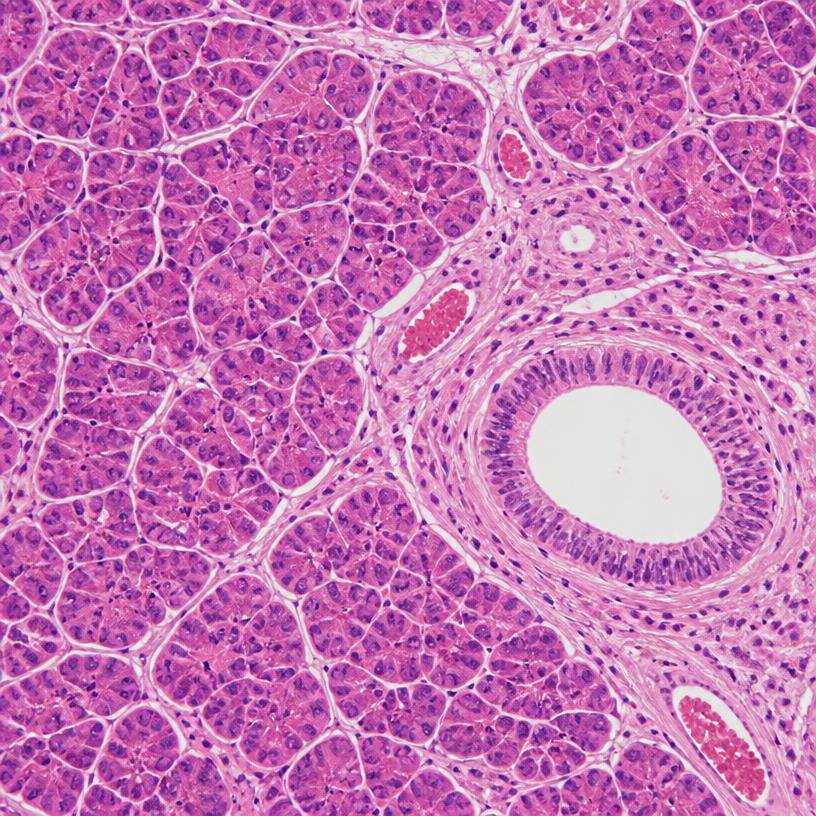
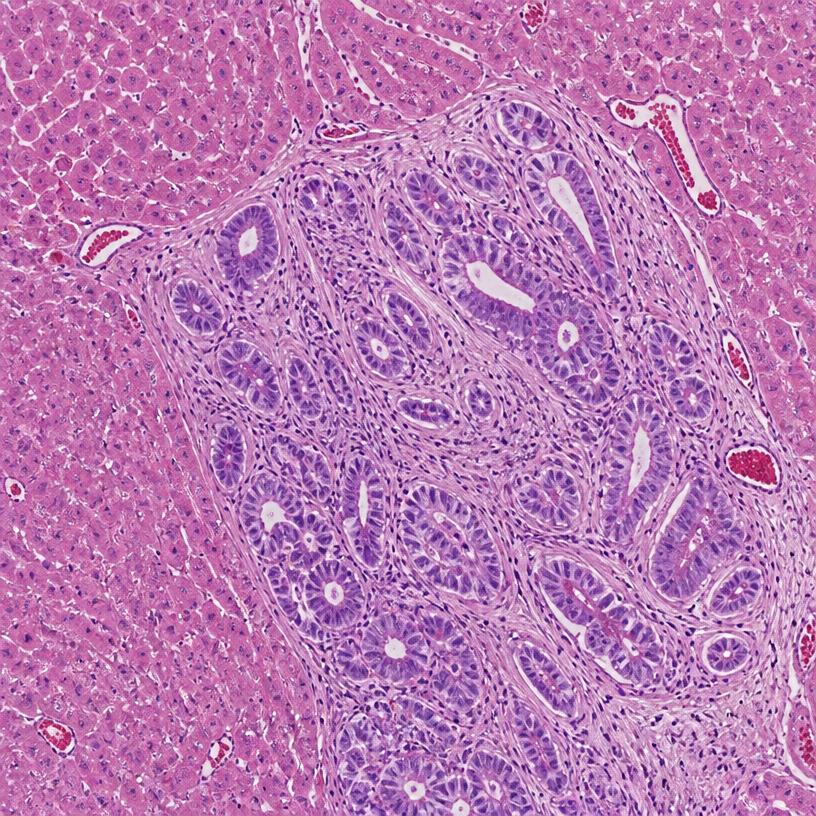
Healthy Pancreas
Normal acinar and ductal architecture.
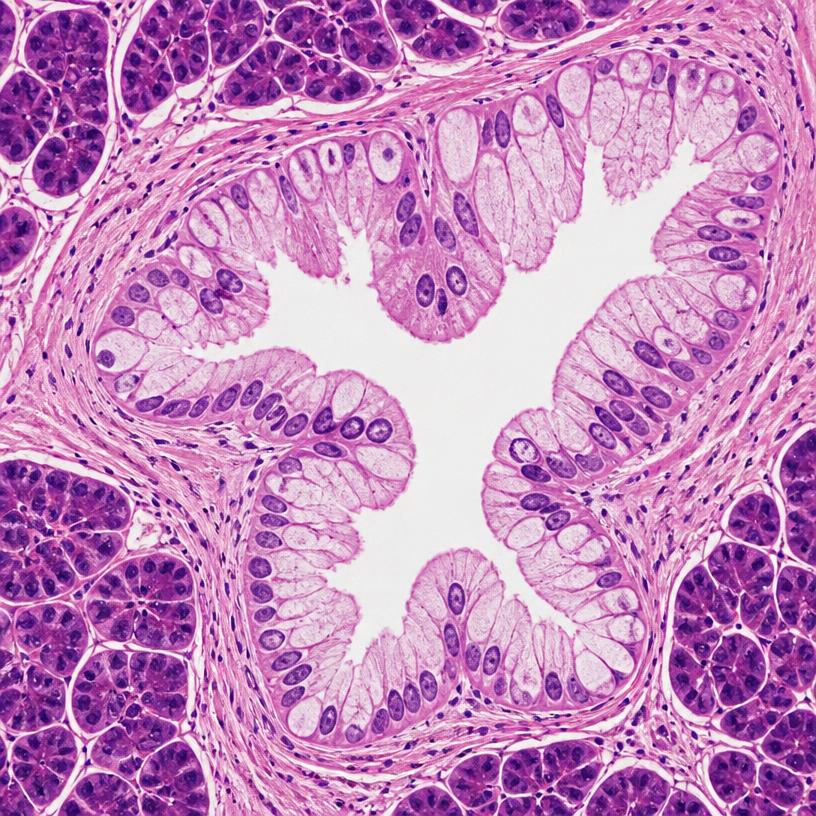
Precancerous Changes
PanIN lesions and low-grade dysplasia begin silently.
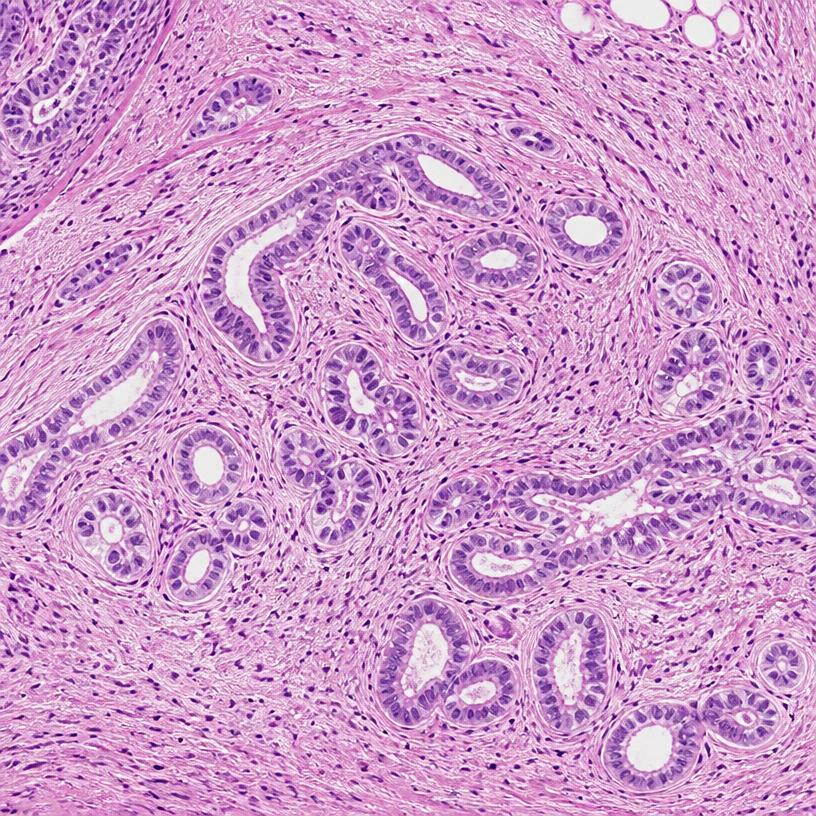
Localized Cancer
Confined to the pancreas — still potentially resectable.
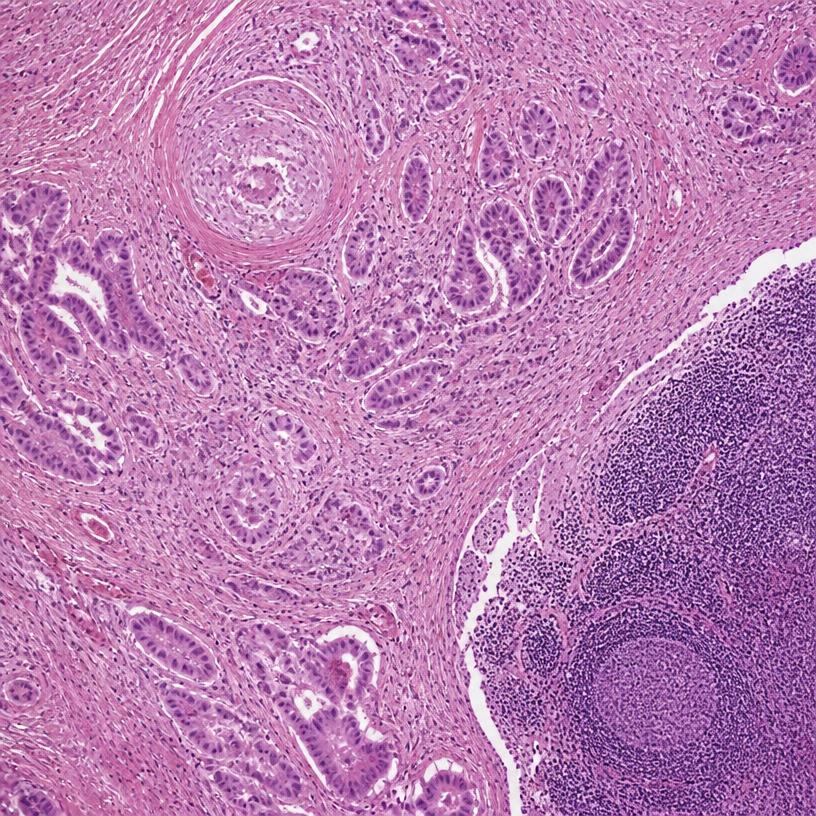
Regional Spread
Local invasion and lymph node involvement.
Metastatic Disease
Distant spread; curative options exhausted.
Earlier detection represents one of the greatest unmet needs in oncology, and the strategic entry point for the Intercept IQ™ platform.

Molecular Foundation
Investigating biology before disease becomes visible.
Disease Biology
The biology of pancreatic cancer.
Cancer develops gradually through years of accumulated molecular alterations long before imaging abnormalities become apparent.
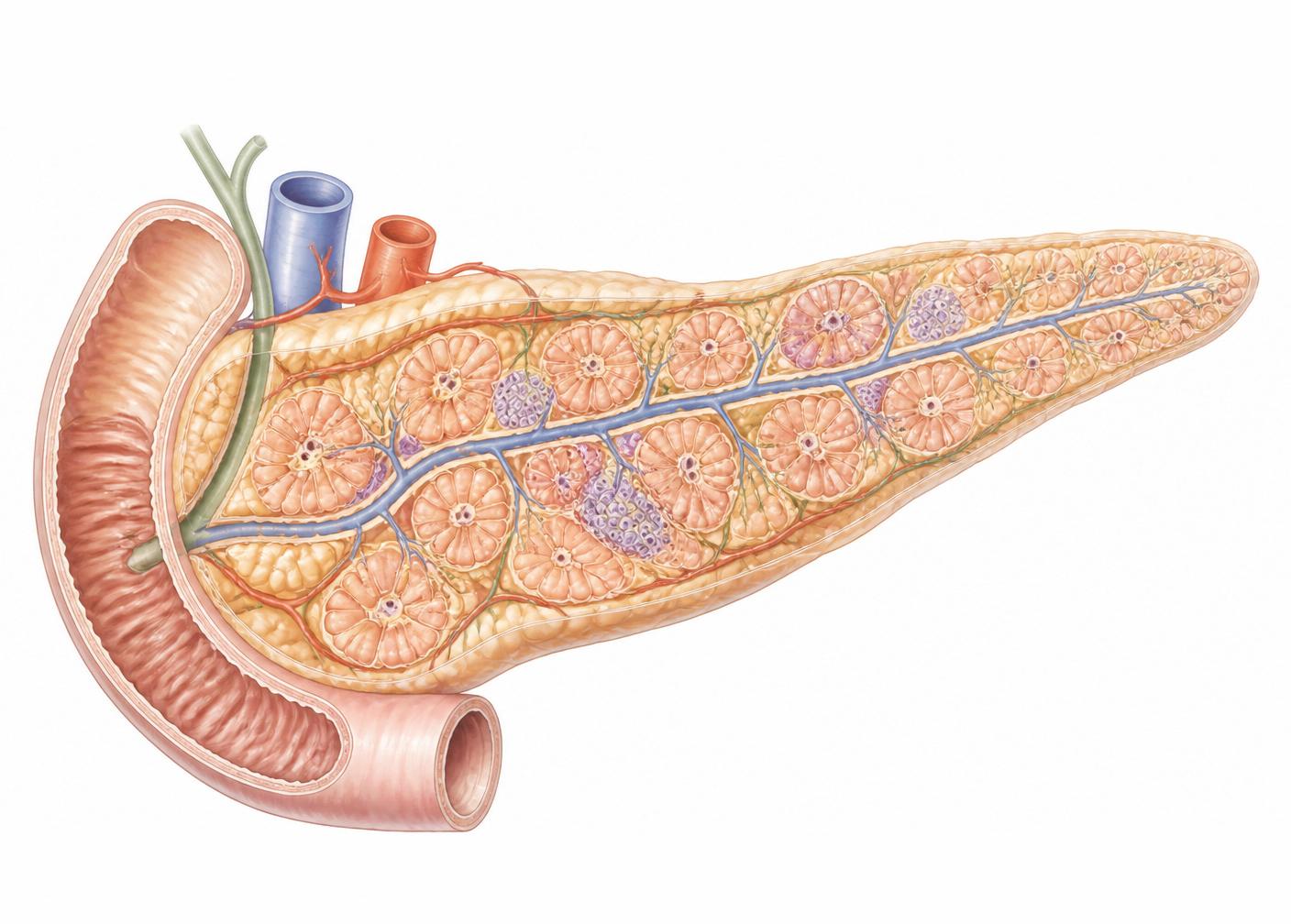
From healthy tissue to metastatic disease — the molecular window is wider than the clinical window.
Normal Pancreatic Biology
Healthy acinar and ductal cells maintain exocrine and endocrine function.
Inflammation
Chronic pancreatitis and cytokine signaling create a permissive microenvironment.
Acinar-to-Ductal Metaplasia
Acinar cells reprogram to a ductal-like phenotype.
PanIN Lesions
Pancreatic intraepithelial neoplasia — the earliest recognized precursor.
Genomic Instability
Progressive KRAS, TP53, CDKN2A, and SMAD4 alterations accumulate.
Early Tumor Development
Localized invasive adenocarcinoma emerges from precursor lesions.
Progressive Invasion
Local stromal invasion and lymphatic spread.
Metastasis
Hematogenous spread to liver, peritoneum, and beyond.
Scientific Foundation
Building on pancreatic biology.
Leveraging the scientific foundation of Intercept IQ™ to investigate the biological continuum from pancreatic dysfunction to pancreatic disease.
Pancreatic cancer develops within an organ that often experiences years of biological change before clinical detection. Progressive metabolic dysfunction, cellular stress, chronic inflammation, and tissue remodeling may all contribute to an evolving disease environment long before symptoms appear.
The Intercept IQ™ platform was originally developed to measure pancreatic beta-cell injury and metabolic dysfunction through advanced molecular diagnostics. Onco Intercept™ builds upon this scientific foundation by applying the same precision molecular framework to investigate biological signals associated with pancreatic disease.
One Platform. Expanding Possibilities.
The same molecular intelligence platform that measures beta-cell injury may also support the investigation of broader pancreatic biology through disease-specific biomarker discovery and computational analysis.
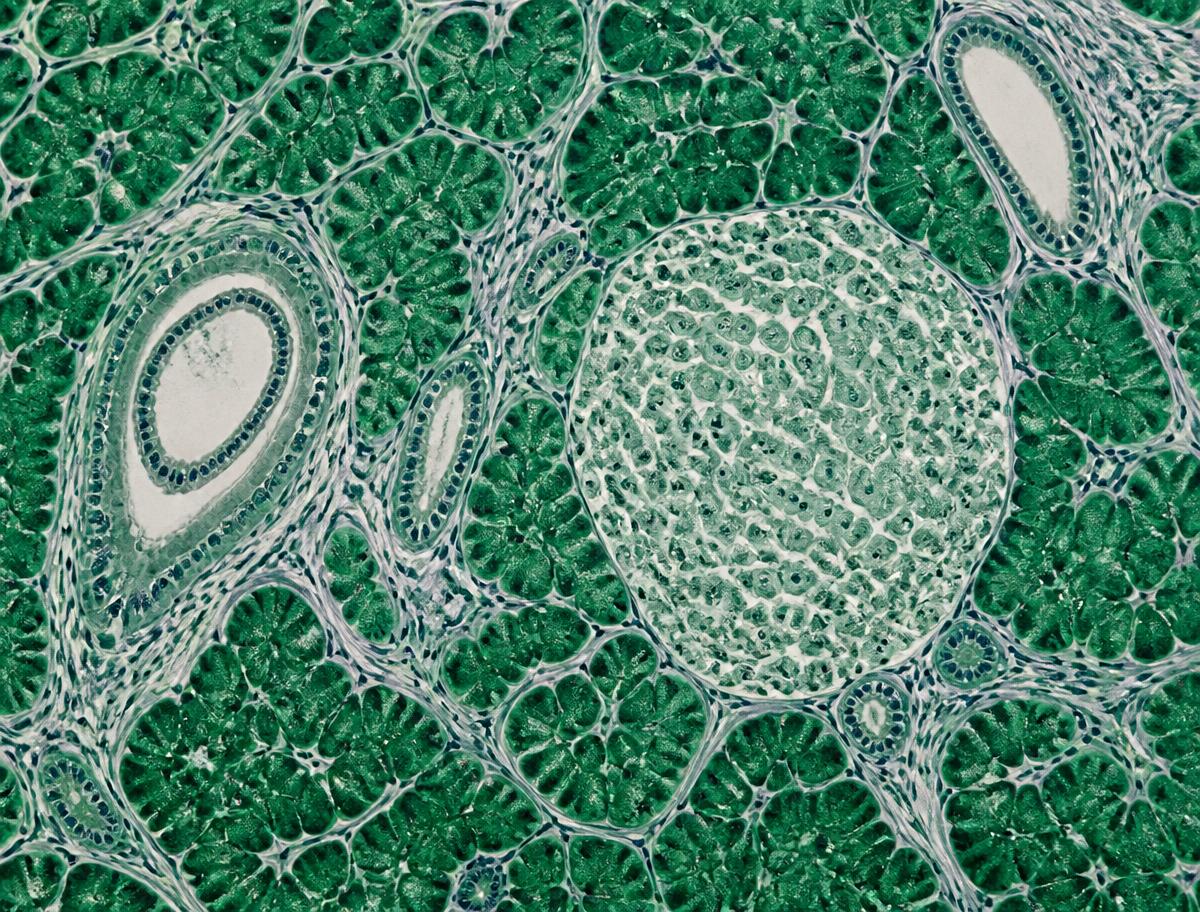
Healthy Pancreatic Function
Organized acinar tissue · intact ducts · normal islets

Progressive Biological Change
Cellular stress · fibrosis · early neoplastic biology
Healthy Pancreatic Function
- Cellular Homeostasis
- Healthy Tissue Architecture
- Normal Metabolic Function
Progressive Biological Change
- Cellular Injury
- Inflammatory Signaling
- Tissue Remodeling
- Early Neoplastic Biology

Intercept IQ™
From metabolic dysfunction to broader pancreatic disease, Intercept IQ™ provides a scalable molecular intelligence platform capable of supporting future biomarker discovery across multiple pancreatic disease states.
Multi-Omic Intelligence
A more complete picture of tumor biology.
Integrating orthogonal molecular, metabolic, and clinical data provides a richer view of disease biology than any individual analyte, the foundation of the Intercept IQ™ approach to oncology.
Central Model
Pancreatic Cancer Biology
Intercept IQ™
Genomics
Epigenomics
Proteomics
Tumor Markers
Metabolic Dysregulation
Inflammatory Biology
Clinical Metadata
Longitudinal Data
Machine Learning
Orthogonal data, one model
Genomic, epigenomic, proteomic, tumor-marker, metabolic, and inflammatory signals each capture a different face of tumor biology and host response.
Metabolism as an early signal
New-onset hyperglycemia, insulin resistance, and unexplained weight loss often precede radiographic disease, read alongside molecular data, not in isolation.
Longitudinal by design
Serial measurements convert isolated data points into a dynamic view of disease trajectory and treatment response.
AI-native integration
Machine learning resolves multidimensional signatures no single analyte, including CA 19-9, can reveal on its own.
Data Layers Feeding the Model
Genomics
KRAS · TP53 · CDKN2A · SMAD4
Epigenomics
cfDNA methylation · tissue-of-origin
Proteomics
THBS2 · LRG1 · plasma protein panels
Tumor Markers
CA 19-9 · CEA · CA-125
Metabolic Dysregulation
Glucose · HbA1c · insulin resistance · weight loss
Inflammatory Biology
IL-6 · CRP · host immune response
Clinical Metadata
Risk factors · imaging · comorbidity
Longitudinal Data
Serial change · velocity of signal
Machine Learning
Multi-dimensional signature discovery
Intended Clinical Applications
Where Onco Intercept™ fits in the care pathway.
From high-risk screening to post-treatment surveillance, pharmaceutical development, and translational research, Onco Intercept is designed to support decisions across the pancreatic cancer continuum.

High-Risk Patient Screening
Longitudinal molecular surveillance for populations with materially elevated lifetime risk, where imaging alone is insensitive to early disease and annual follow-up windows are long.
- First-degree family history of pancreatic cancer
- Chronic and hereditary pancreatitis
- New-onset diabetes after age 50
- Germline predisposition (BRCA1/2, PALB2, CDKN2A, ATM, Lynch)
- IPMN and pancreatic cyst surveillance cohorts
Intended use: risk stratification between imaging intervals.

Earlier Diagnostic Evaluation
Molecular context for patients presenting with suspicious symptoms, indeterminate cross-sectional imaging, or equivocal CA 19-9 — the clinical scenarios where diagnostic delay is most costly.
- Indeterminate pancreatic lesions on CT or MRI
- Non-diagnostic or insufficient EUS-FNA sampling
- Unexplained weight loss with new hyperglycemia
- CA 19-9 elevation without radiographic correlate
- Lynch-negative patients with persistent symptoms
Intended use: adjunct to imaging and tissue workup.

Treatment Response Monitoring
Serial multi-analyte assessment of molecular response, with kinetics that can move ahead of radiographic change and inform whether a regimen is working before the next restaging scan.
- Neoadjuvant response prior to resection decision
- Post-surgical molecular residual disease assessment
- First- and second-line chemotherapy kinetics
- Radiation and targeted-therapy response
- Immunotherapy pseudo-progression discrimination
Intended use: longitudinal response trajectory.

Post-Treatment Surveillance
Recurrence monitoring after potentially curative therapy, where roughly 80% of resected patients relapse and conventional surveillance frequently detects recurrence only once it is symptomatic.
- Scheduled molecular surveillance after resection
- Rising-signal detection ahead of imaging change
- Local versus distant recurrence signal patterns
- Support for surveillance interval decisions
- Documentation of sustained molecular remission
Intended use: earlier recurrence signal detection.

Pharmaceutical Clinical Trials
Infrastructure for precision-oncology development programs that need molecularly defined populations, objective pharmacodynamic readouts, and endpoints that mature faster than survival.
- Patient stratification and enrollment enrichment
- Companion and complementary diagnostic development
- Pharmacodynamic and biomarker endpoints
- Early futility and dose-optimization signals
- Central, harmonized multi-site sample analysis
Intended use: sponsor-directed trial support.

Research & Translational Science
A discovery platform for academic and consortium partners studying pancreatic tumor biology, with harmonized multi-omic data generation across prospectively collected, richly annotated cohorts.
- Biomarker discovery and independent validation
- Prospective cohort and biobank collaborations
- Multi-omic dataset generation and harmonization
- Model development, benchmarking, and external testing
- Investigator-initiated studies and consortium work
Intended use: research use only, not for diagnosis.

Current Research & Validation
Evidence built shoulder to shoulder with academic medicine.
Onco Intercept™ is advancing through a staged research and validation program designed to generate rigorous clinical evidence, anchored by collaborations with the University of Colorado Anschutz Medical Campus, the Colorado Medical Center, and multi-site biorepository networks.
4
Program stages
Discovery through access
3
Active cohorts
High-risk, diagnosed, treated
2
Academic centers
Colorado research network
1,200s
Annotated specimens
Biorepository access
Where the program stands today
Development stage
- 01Complete
Discovery
Biomarker discovery and analytical assay development on the Intercept IQ™ platform, including cfDNA methylation, proteomic, and multi-omic signature identification.
- 02Complete
Analytical Validation
Core performance characterization across accuracy, precision, linearity, limit of detection, specificity, and specimen stability in CLIA-aligned laboratory workflows.
- 03Active
Clinical Validation
Prospective and retrospective studies in high-risk, newly diagnosed, and treatment-exposed pancreatic cancer populations to establish clinical performance and utility.
- 04Planned
Clinical Utility & Access
Expansion into real-world evidence generation, health-economic studies, and regulatory pathways intended to support broader patient and provider access.

Academic & Clinical Partners
Annotated specimens. Real clinical context.
Partnerships with academic medical centers and biorepository networks supply the longitudinal samples, clinical data, and translational expertise our validation program depends on.

University of Colorado Anschutz Medical Campus
Academic research partner and biorepository collaborator

Kiluma Biosciences
Clinical specimen and translational research collaboration

Multi-Site Biorepository Network
Prospective cohorts and richly annotated biospecimens
Developed by Kiluma Biosciences
A separate development engine, a shared scientific foundation.
Development Partner

A biotechnology company focused on developing next-generation molecular diagnostics for oncology.
Onco Intercept™ is an investigational research program being advanced by Kiluma Biosciences, a biotechnology company focused on developing next-generation molecular diagnostics for oncology.
The Intercept IQ™ platform provides the underlying molecular and computational foundation supporting future expansion into additional disease indications.

Building the future of early cancer detection
Earlier detection. Better decisions. Improved outcomes.
Onco Intercept™ represents Kihealth's expansion of the Intercept IQ™ platform into oncology, combining advanced liquid biopsy technologies, multi-omic biomarker discovery, and artificial intelligence to develop next-generation diagnostics for pancreatic cancer. By identifying molecular evidence of disease before conventional diagnosis, Onco Intercept aims to support earlier intervention, improve clinical decision-making, and advance precision oncology.